
中国广东省东莞市凤岗镇玉湖路9号B栋8F
anja@flsrfidpro.com+852 46090773
在 24 小时内回复
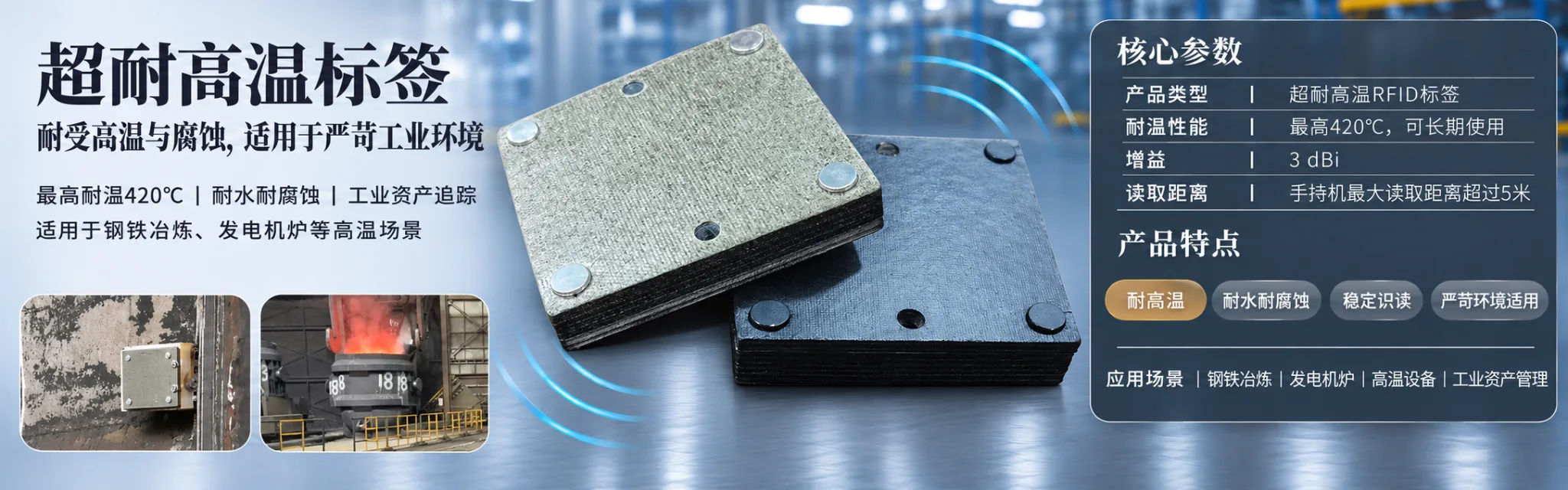
High-Temperature RFID Tag Series
+

高温 RFID 标签系列

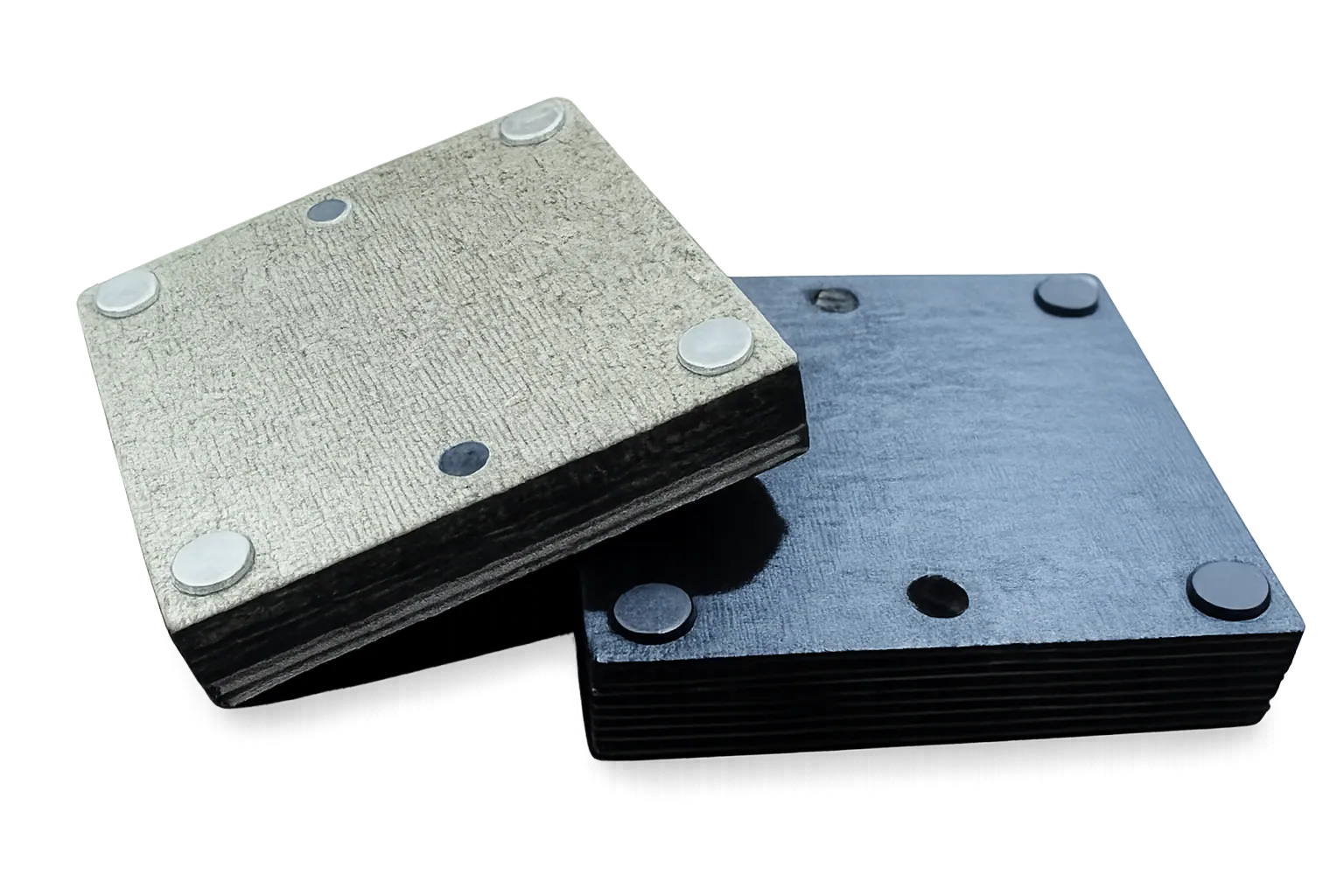
An industrial UHF tag series for the exterior of metal containers and for high-temperature, acid-alkali environments. Alien-H9 or Monza-m4qt, EPC Class 1 Gen 2, IP68, application temperature -60 °C to +420 °C, 60 × 60 × 12 mm with screw or adhesive mounting.

Category工业 RFID 标签
Views1,856
Total Sold775,082
Specification60 × 60 × 12 mm 标准高温级,Alien-H9, 螺丝或胶粘安装 / 60 × 60 × 12 mm 420 °C 峰值级,Monza-m4qt, 耐酸碱密封外壳
Price联系询价
Download Specification
ItemSpecificationNote
协议EPC Class 1 Gen 2; ISO 18000-6C—
Frequency905–928 MHz (CN and US)Region set at order
ChipAlien-H9 / Monza-m4qtSelected by reader fleet
内存96 or 128-bit EPC; 512-bit user memory—
应用表面Exterior of metal containers; high-temperature and acid-alkali areasDesigned for on-metal mounting
Read distance (handheld)≥ 3 m on metal at 2 W ERP1 W transmit, 0–3 dBi antenna
Read distance (fixed)≥ 5 m on metal at 4 W ERP4 W transmit, 6–12 dBi antenna
尺寸60 × 60 × 12 毫米—
材质Extreme high-temperature housingSealed, gasket on screw fixings
颜色White or black—
安装螺丝固定或背胶Recess the screw heads
重量42 g—
防护等级IP68Water and dust; chemical compatibility tested per medium
存储温度-40 至 +105 °C—
工作温度-40 至 +85 °CContinuous electronics rating
Application temperature-60 至 +420 °CPeak value; soak time must be specified

Choosing the version by process

ProcessWhat the tag meetsRecommended configurationMounting
Coating and drying ovensRepeated moderate peaks with a short dwellStandard high-temperature grade, Alien-H9Screw fixing, gasket
Metal container exteriorAmbient heat, rain, wash-downStandard grade, Alien-H9 or Monza-m4qt螺丝或胶粘
Casting and heat treatmentShort excursions near the top of the range420 °C grade, Monza-m4qtScrew fixing away from weld seams
Acid and alkali areasChemical splash and vapour420 °C grade, sealed housingScrew fixing, gasket checked per medium
Outdoor container yard紫外线、雨水、温度波动Standard grade, black housingScrew fixing

Inspection and process control

CheckPass criteria失败时操作
On-metal readReads at ≥ 3 m with a 2 W ERP handheld on a steel plateRe-test a sample; scrap the batch if it repeats
Fixed-reader readReads at ≥ 5 m with a 4 W ERP reader检查天线安装;若无变化则报废
Thermal cycleNo housing crack or read loss after the agreed cycleHold the lot for review
Seal and gasketNo water ingress after immersion testReplace gasket batch
EPC writeEPC written and verified against the order fileRe-encode; scrap after two failures

Application scenarios

Coating and drying lines

零件悬挂在传送带上通过烘箱,因此标签必须能承受与涂层相同的工艺过程。安装在载体上的螺钉式标签可在烘箱出口处自动读取,无需人工停机;烘箱内的停留时间是首要核对的等级指标。

Coated metal parts hanging on a conveyor leaving a drying oven

Metal container exteriors

A drum, tank or skid is identified at the gate and again in the yard, always on the same steel surface. Because the housing is tuned for metal, the tag keeps its read distance on the curved wall, and the screw gasket keeps water out during wash-down between loads.
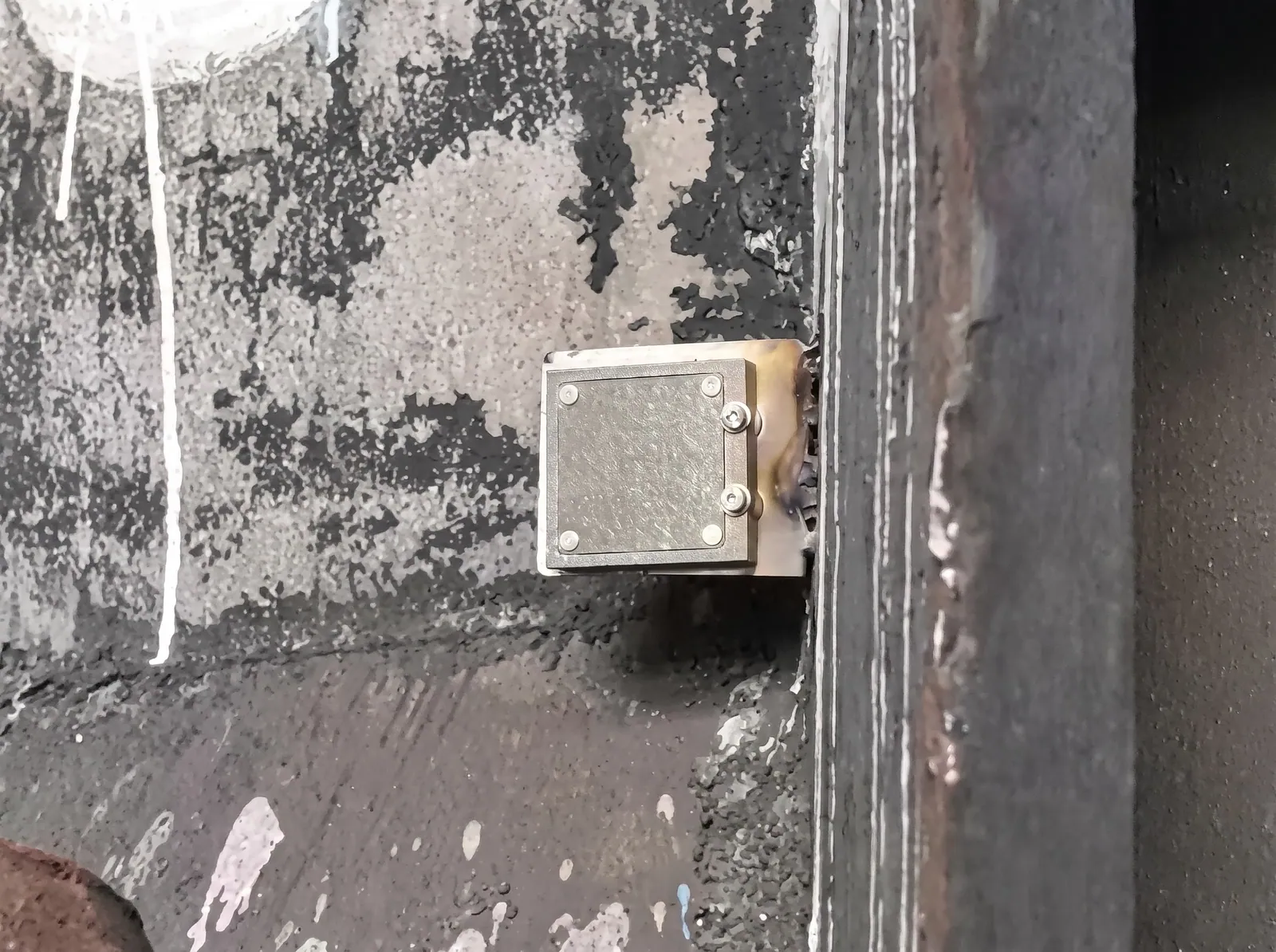
RFID tag fixed to the rusted exterior wall of an industrial container

Casting and heat-treatment stations

Near a furnace the tag sees short, intense heat rather than a steady soak. Fix it on a cooler part of the fixture, away from the pour and from weld seams, and confirm the peak and dwell against the 420 °C grade before the tags go into production.
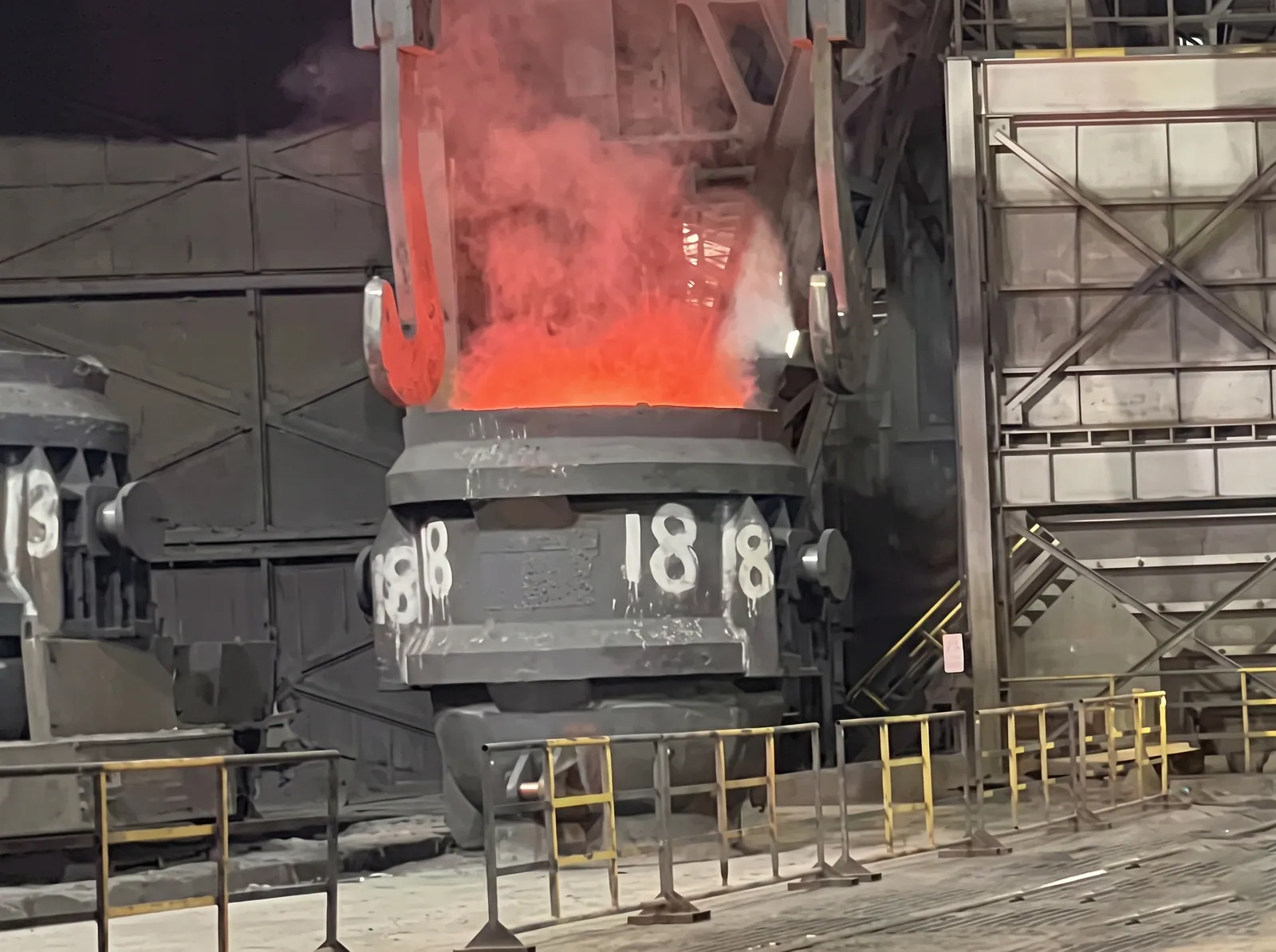
Foundry with molten metal and heavy steel equipment

Two numbers decide whether the tag survives

A tag on the outside of a metal container is judged twice: by the peak temperature it meets and by how long it stays there. A drying oven pass and a casting station can show the same peak on a thermometer and still need different tags, because one holds the heat for minutes and the other for seconds. This series is built for the exterior of metal containers and for high-temperature or acid-alkali environments, with an application range of -60 °C to +420 °C in a 60 × 60 × 12 mm housing.

Metal parts hanging from a conveyor at the exit of an industrial drying oven

Reading the temperature–time curve

The figure on the datasheet is the upper edge of the application range, not a licence to sit there indefinitely. What a tag actually experiences is the area under the curve: ramp rate, soak time at temperature and the number of cycles per shift. A housing with more thermal mass heats more slowly, and a tag screwed to a thick steel wall follows the wall rather than the air in the oven.

When a process is described only by its peak, ask for the soak time as well. A 420 °C peak crossed in seconds is a different problem from a long hold at a lower temperature, and the mounting method usually decides which one the tag survives. Thermal cycling matters too: a tag that passes one oven once is not proven for a line that repeats the cycle three hundred times a week.

Foundry floor with molten metal being poured into a ladle

Built for the outside of a metal container

金属并非障碍,而是标签设计所依托的安装面。外壳确保天线与钢板保持固定距离,维持其调谐状态,因此标签在鼓或储罐表面仍能正常读取,而非发生失谐。使用2 W ERP手持设备时,金属表面的读取距离至少为3米;配合4 W ERP固定读写器及6–12 dBi天线时,读取距离可达至少5米。

High-temperature UHF RFID tags in white and black housings

Acid, alkali and wash-down

The sealed housing carries an IP68 rating, so hosing down the container does not reach the chip. Screw mounting compresses a gasket against the wall and keeps liquid out of the fixing holes; adhesive mounting is better on flat sheet metal where drilling is not allowed. Where the tag will meet a specific acid or solvent, test a sample in that medium before the run — IP68 covers water and dust, not every chemical in a plant.

Industrial RFID tag screwed to the exterior of a rusty metal container

Chip and memory: Alien-H9 or Monza-m4qt

Both chips are EPC Class 1 Gen 2 and ISO 18000-6C devices with 96 or 128-bit EPC and 512-bit user memory, so the choice is about the reader population rather than the protocol. Alien-H9 is the common baseline in mixed fleets and reads well at the edge of the field; Monza-m4qt is often chosen where the site already standardises on Impinj readers. Either way, the EPC is written and verified before packing.

Screw or adhesive: how the tag stays on

Screw mounting is the durable answer for tanks, skids and containers that are steam-cleaned or handled by crane: two stainless screws, a sealing washer and a thread locker. Adhesive mounting suits flat painted panels and one-way containers, provided the surface is clean, dry and above 10 °C during application. Recess the screw heads or use button-head screws so nothing catches on the tag when the container slides.

RFQ 填写指南

Give us the temperature profile rather than a single number: peak, soak time, cycles per shift. Add the surface material and curvature, any chemical exposure, the read distance you need and the reader power available, plus how the tag will be fixed. With those five answers the correct grade and mounting can be pinned down without a trial-and-error order.

Questions buyers ask first

Can the tag stay at 420 °C continuously?

No. 420 °C is the upper limit of the application range, not a continuous rating. Tell us the soak time at temperature and we will confirm whether the standard or the 420 °C grade fits.

Will it read on a full steel drum?

Yes, mounted on the exterior. The housing is designed for metal; the read distance depends on the reader, its power and the angle of the tag to the antenna.

Does it survive a paint oven?

That depends on the peak and the dwell time, so test a sample through the actual cycle. Solvent-rich atmospheres should be checked for compatibility with the housing.

Can it be welded to the container?

No. Welding heat is far beyond the mounting method; keep the tag on screws or adhesive and away from weld seams and heat-affected zones.

WhatsApp 聊天