
中国广东省东莞市凤岗镇玉湖路9号B栋8F
anja@flsrfidpro.com+852 46090773
在 24 小时内回复
轮胎 RFID 标签
轮胎 RFID 标签
轮胎 RFID 标签
轮胎 RFID 标签
+

Tire RFID Tag

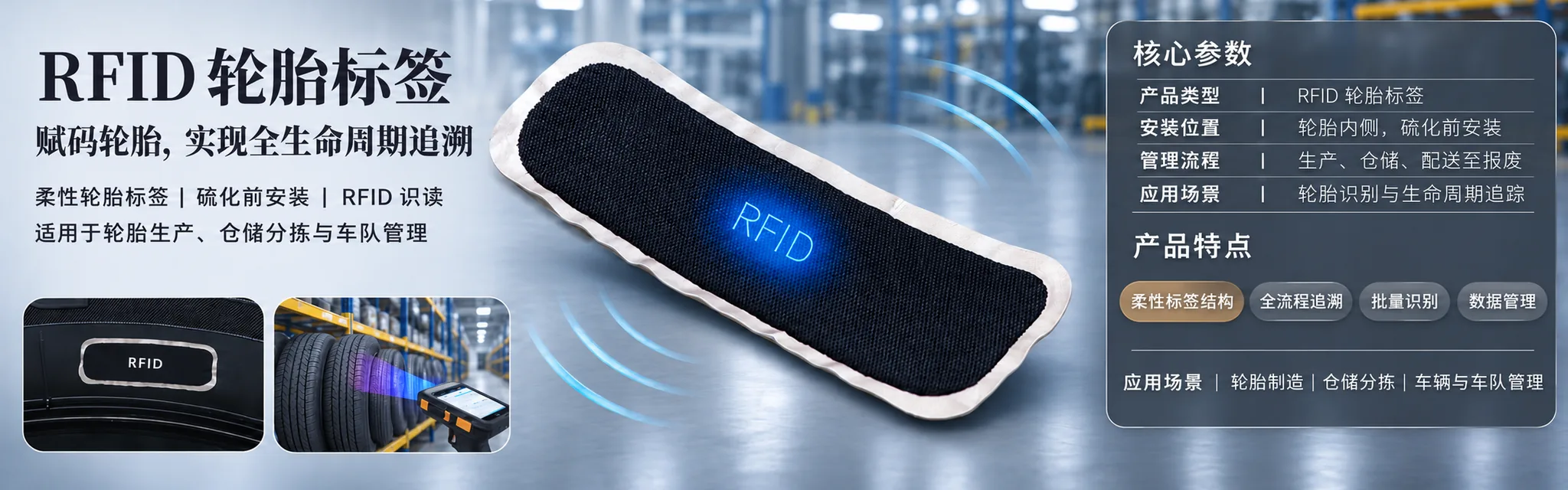
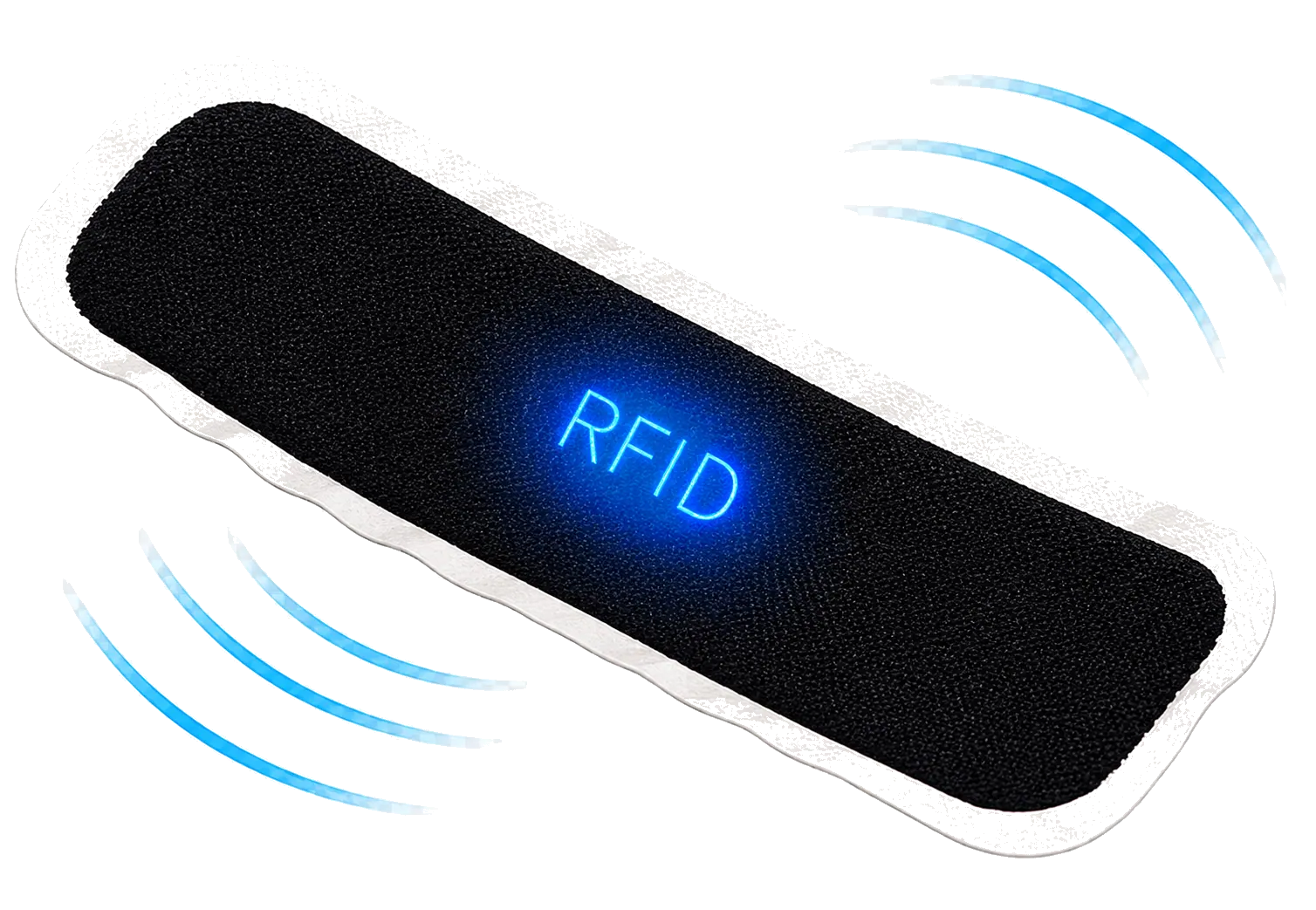
橡胶 UHF 轮胎标签,粘合于胎侧或硫化于胎体内部,确保身份标识伴随轮胎全生命周期。95 x 35 x 3 mm,EPC Class 1 Gen 2,工作频率 905-928 MHz,支持 Alien-H9 或 Monza-m4qt,,防护等级 IP67。

Category轮胎 RFID 标签
Views1,218
Total Sold629,261
SpecificationStandard patch-on tag with adhesive backing, Alien-H9 / Vulcanised-in version for tyre building, Monza-m4qt
Price联系询价
Download Specification
ItemSpecificationNote
Product轮胎用橡胶 RFID 标签Patch-on or vulcanised in
尺寸95 × 35 × 3 毫米Flat sidewall position
材质Rubber compound随侧壁弯曲
颜色黑色—
重量6.4 g—
协议EPC Class 1 Gen 2; ISO/IEC 18000-6C适用于标准超高频(UHF)读卡器
Frequency905-928 MHz (CN and US)确认其他地区的频段
ChipAlien-H9 / Monza-m4qtChip selected at order
内存96 or 128-bit EPC; 512-bit user芯片相关
应用表面RubberTyre sidewall
安装Adhesive backing or cured into the tyreStandard and vulcanised versions
Read range, handheld≥ 0.8 m2 W ERP, 1 W transmit, 0-3 dBi antenna
读取范围,固定≥ 1.2 m4 W ERP, 6-12 dBi antenna
保护IP67湿式作业区和冲洗区
工作温度-40 至 +85 °C—
存储温度-40 至 +105 °CBelow tyre cure temperature — see cure note

Choosing the version

项目版本Why
Fleet fitted after purchaseStandard patch-onNo change to the tyre line
New-tyre production硫化于弹体在弹壳内幸存
Retread workshopStandard patch-onFitted after buffing and cure
Mixed tyre sizesStandard patch-onOne tag, positioned per size
Harsh wash-down fleetStandard patch-on, cleaned and primedSurface preparation decides the bond

Factory inspection sheet

CheckPass criteria失败时操作
Read on a tyre在已安装的轮胎上,按约定距离进行读取。Re-encode, then scrap
在频带边缘读取Responds at 905 MHz and 928 MHzScrap the tag
AdhesionNo lifting after a pull test on prepared rubber重压或报废
Water resistance (sampled)No ingress after immersionHold the batch and re-test
尺寸95 × 35 mm within tolerance报废超差部件
弹性布局反复弯折后,机身不开裂Reject the batch

Application scenarios

Tyre production lines

At the end of the line the tyre is read once, and that read binds the casing to its build record. With the tag placed at the same sidewall position on every tyre, the operator presents the reader without hunting for a code, and the record travels with the tyre instead of with the pallet it was stacked on.
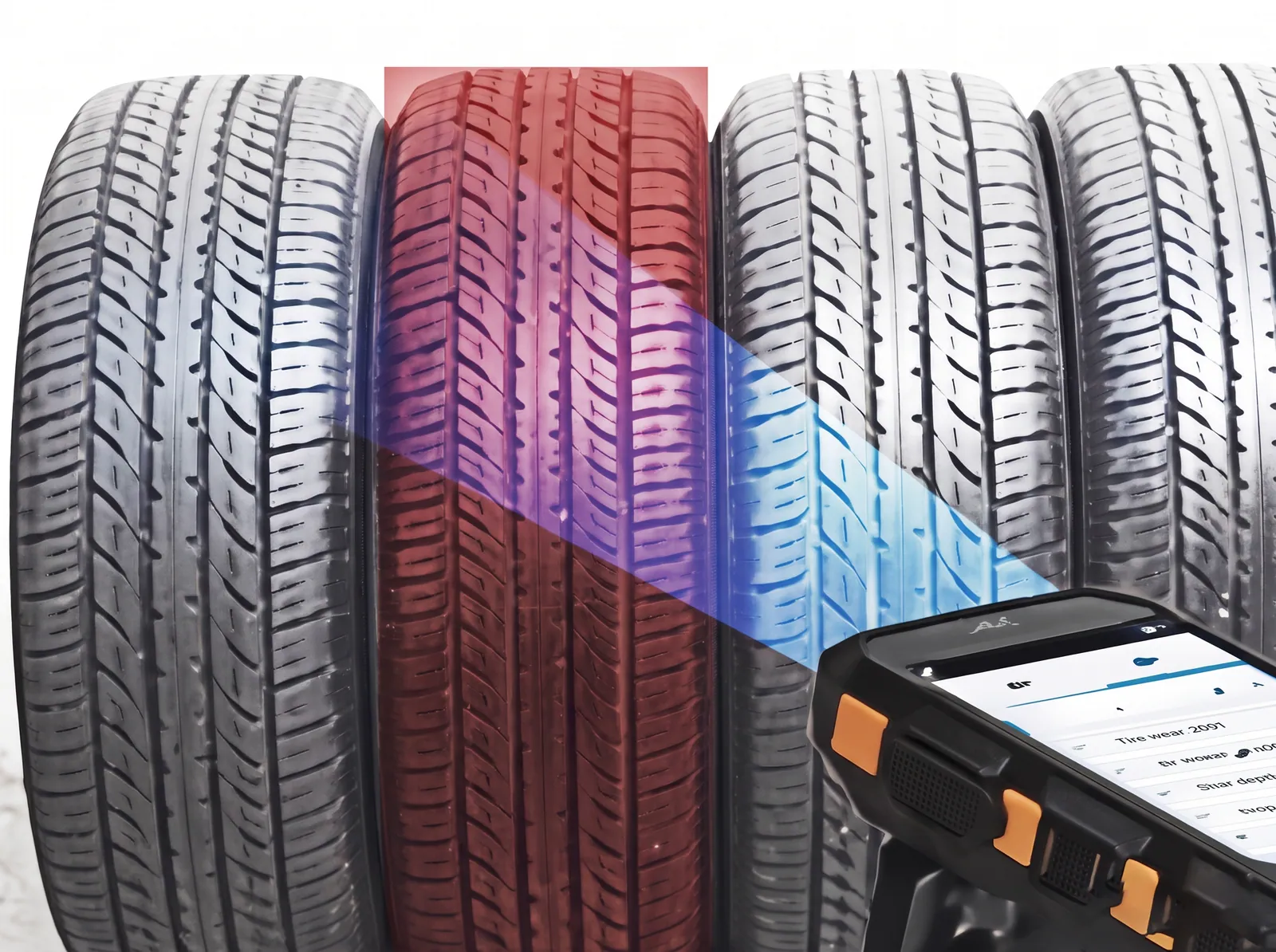
Row of tyres being read with a handheld RFID reader

Fleet tyre life cycle

在轮胎库中,轮胎会在车辆间流转、换位翻新或报废。在每个环节读取胎体信息,即可建立属于轮胎本身的历史记录(而非其所在车辆的记录),从而实现无需纸质档案的质保与换位决策。
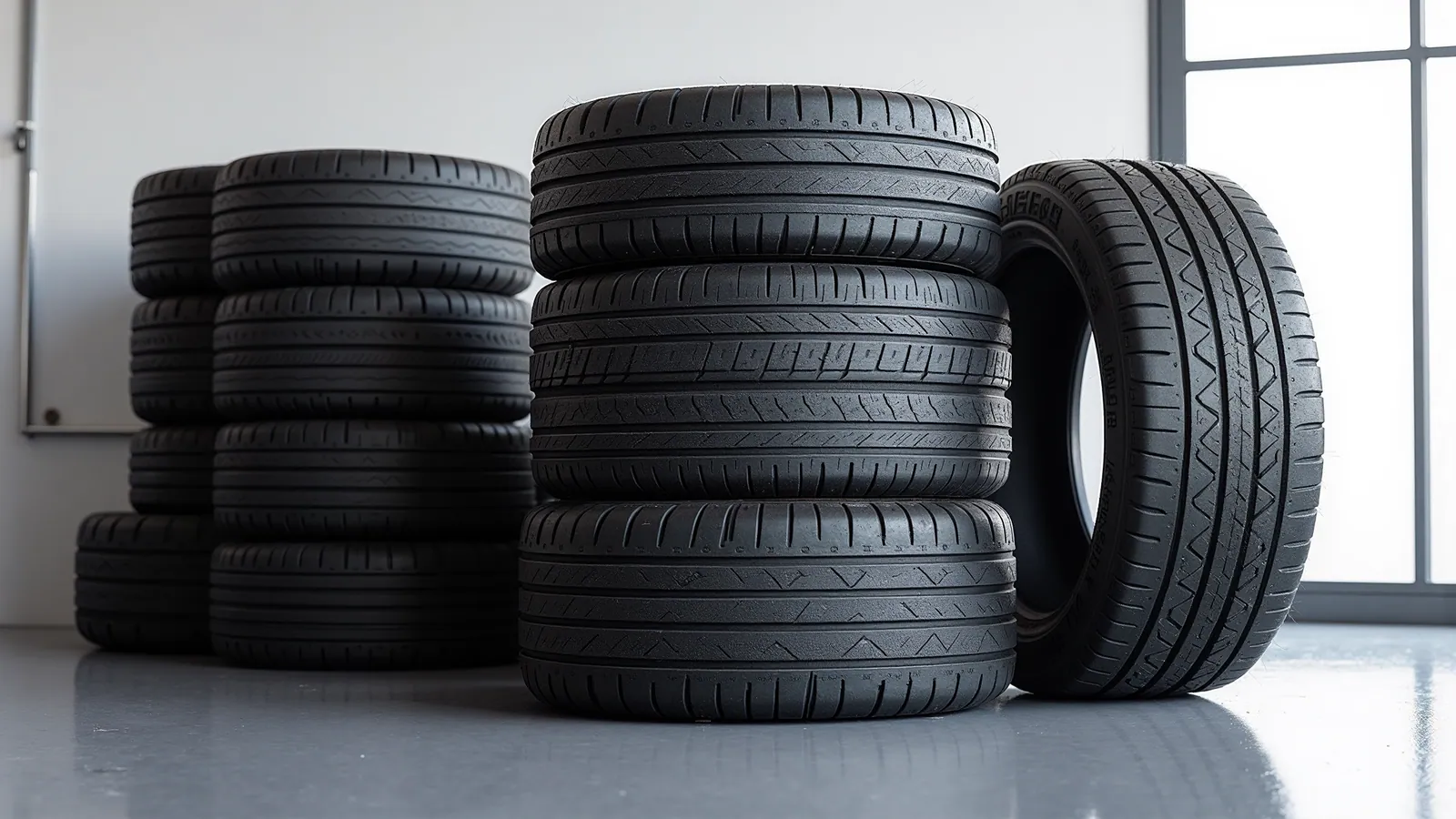
Stacks of new tyres stored in a tyre yard

翻新与仓储

Casings arrive in stacks and are graded before they go back into production. A tag on the sidewall lets the grader read the casing identity at the stack edge, without pulling tyres out to read a moulded serial that may already have been buffed off.
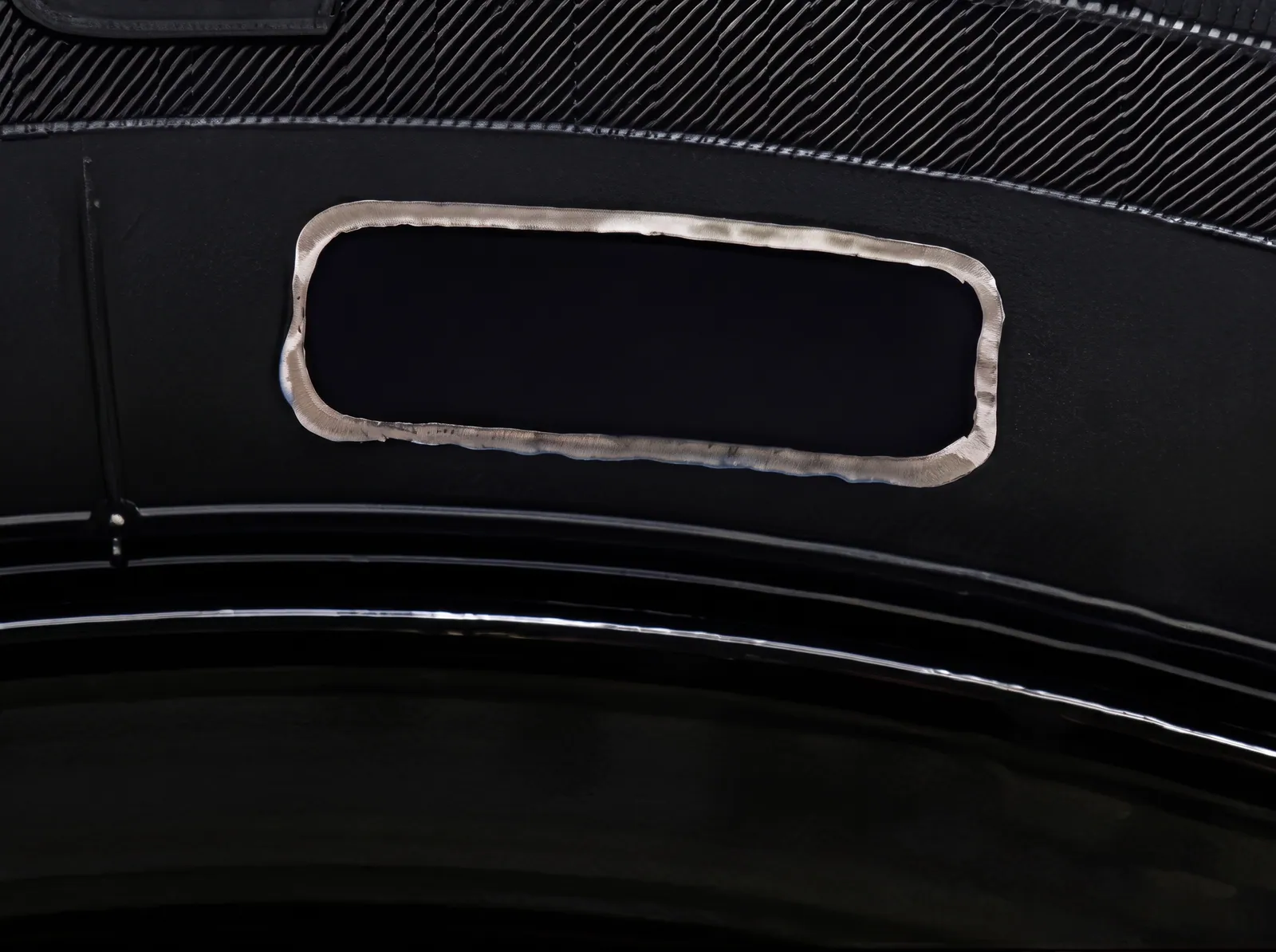
标签粘合处的橡胶胎侧平滑区域

A tag that lives as long as the tyre

A tyre is one of the few assets that is identified at birth, used for years in the worst conditions on the road, and then either retreaded or scrapped. A barcode on the tread is gone in a season; a label on the sidewall peels. The Tire RFID Tag is a rubber patch, 95 × 35 × 3 mm, designed to be bonded to the sidewall or built into the tyre during manufacture, so the identity stays with the casing through every read point in its life.

It is a passive UHF tag — EPC Class 1 Gen 2, 905-928 MHz, Alien-H9 or Monza-m4qt — with an IP67 rating for wet yards and wash-down bays. Because it is rubber rather than plastic, it flexes with the sidewall instead of fighting it, which is the difference between a tag that lasts and a tag that is replaced at the first inspection.

Black rubber RFID tag patch for tyre sidewalls

从裸露侧壁到可读标签,仅需四步

Step 1 — Locate the sidewall position

Pick a flat area on the sidewall, away from the bead, the shoulder and any raised lettering, and at a height that a handheld reader can reach with the tyre standing. The same relative position on every tyre matters more than the exact millimetre: it gives the line a repeatable place to present the reader, and it keeps the tag out of the way of the rim and the brake caliper.

标签粘合处的橡胶胎侧平滑区域

Step 2 — Clean and dry the surface

A sidewall carries mould release agent and dust, and both are what make an adhesive tag fall off in the yard. The area is wiped, degreased and fully dried before the tag goes on. On a production line this is a station; in a workshop it is a two-minute job before the tyre is stacked — either way it is the step that decides whether the bond survives the first winter.

Step 3 — Bond it, or build it in

The standard version is bonded to the finished sidewall with the adhesive backing. The vulcanised version is placed during tyre building so it is cured into the rubber, which gives the strongest possible bond but ties the tag to the cure profile. These are different products for different lines, not two prices for the same thing.

Step 4 — Read-test before the tyre leaves the line

每条轮胎在服役中都会由操作员在其实际站立位置进行一次读取。若标签仅在工位上可读,而在轮胎上无法读取,通常是因为其贴在了接缝处或过于靠近胎圈;此处漏读会导致标签失效,车队中漏读则需返工。

Row of tyres being read with a handheld RFID reader

Patch-on or vulcanised in?

QuestionStandard patch-onVulcanised in
何时应用After the tyre is curedDuring tyre building, before cure
BondAdhesive backing on a cleaned sidewall固化于橡胶中
Best forFleets, retreads, aftermarket programmesNew-tyre production lines
Line change neededNone — a workstation and a readerTag placement in the building process
Cure exposure Must be checked against the cure profile first
RemovalCan be replaced if damaged永久适用于套管寿命

Where the tag works

The same tag appears at four points in a tyre's life, and each one asks something slightly different of it.

  • Tyre production. A read at the end of the line ties the casing to its building record without a paper label on the tread.
  • Fleet tyre management. Tyres are read at the depot when they are fitted, rotated and retired, so the history follows the casing rather than the vehicle.
  • Retread and warehouse.胎体按等级分类并堆叠存放;通过读取堆叠边缘的标签即可识别轮胎,无需将其拉出。
  • 保修与退货 The read confirms which casing came back, without relying on a moulded serial that has been buffed away.

Stacks of new tyres stored in a tyre yard

Temperature, cure and the questions to settle first

The tag is rated for storage down to -40 °C and up to +105 °C, and for operation between -40 °C and +85 °C. A tyre cure runs hotter than that, which is why the vulcanised version is specified only after the cure profile has been shared and checked — we would rather quote the patch-on version than promise a tag through a cure we have not seen. On the road the tag sees heat cycles, water, salt and flexing; the IP67 body and the rubber compound are what carry it through those, and the read test at the end of the line is what proves it on the day.

订单备注

Minimum order quantity and lead time follow the version and the encoding. The patch-on tag with a plain EPC is the fastest line; the vulcanised version needs the cure profile and a trial placement before a production order. Send the tyre size, the mounting position and the reader you use at the read point, and the tag is quoted against that rather than against a generic sidewall.