

中国广东省东莞市凤岗镇玉湖路9号B栋8F
anja@flsrfidpro.com+852 46090773
在 24 小时内回复
RFID 门户闸机
RFID 门户闸机
RFID 门户闸机
RFID 门户闸机
+

RFID Portal Gate

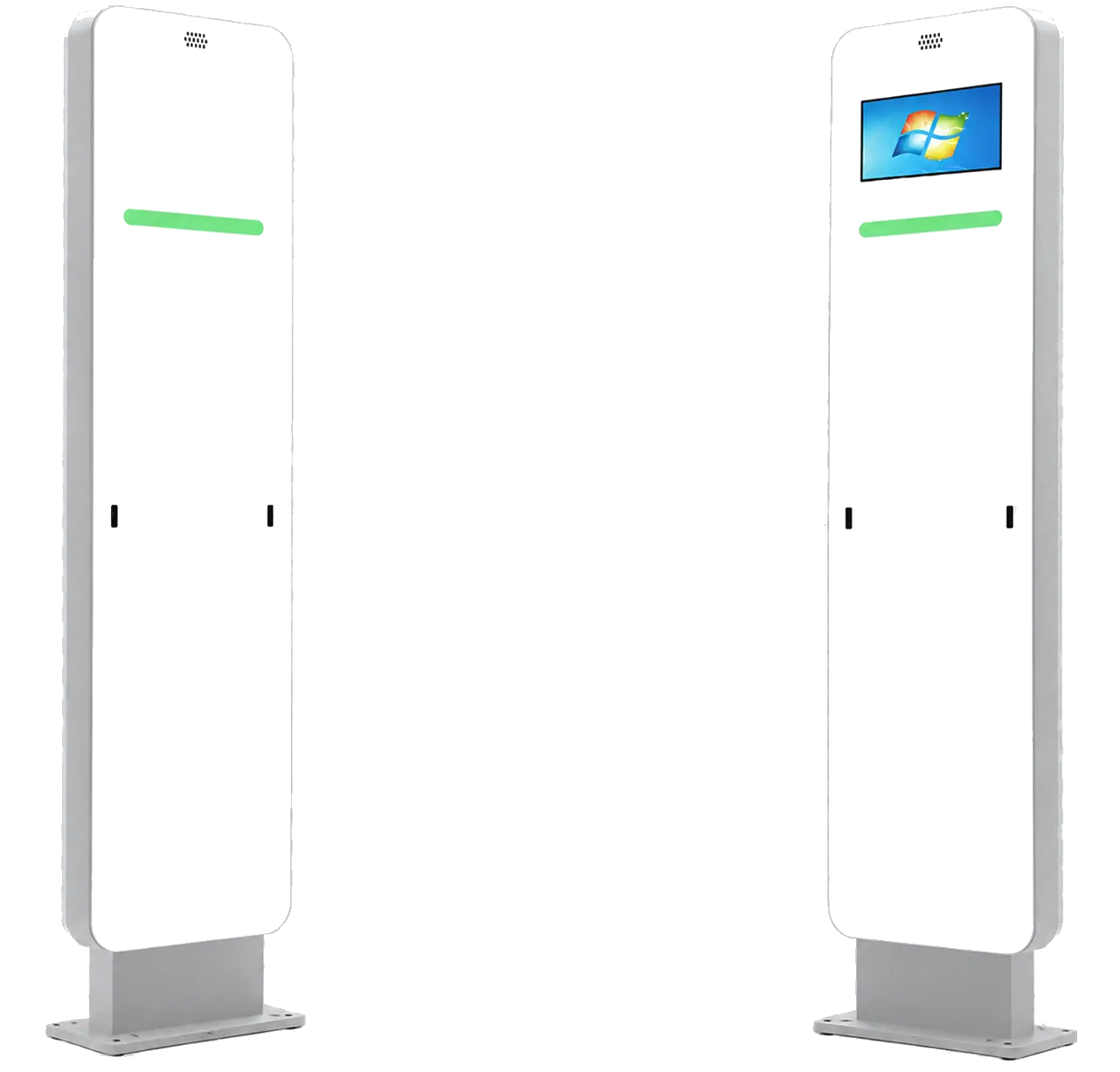
A UHF RFID portal gate for warehouse, library and retail checkpoints: ISO18000-6C (EPC GEN2) reading on 865–868 / 902–928 MHz through four 8 dBi circular-polarized panel antennas, with a 0.8–1.5 m single-channel and 1.6–2.2 m dual-channel read zone and a built-in audible and visual alarm for tags that cross without a matching transaction.

CategoryUHF Reader
Views616
Total Sold788,426
SpecificationSingle channel, one post pair, 0.8–1.5 m read zone / Dual channel, two post pairs, 1.6–2.2 m read zone
Price联系询价
Download Specification
ItemSpecification备注
Operating protocolISO18000-6C (EPC GEN2)EPC Class 1 Gen 2 tags
工作频率865–868 MHz(欧盟)/ 902–928 MHz(美国)Band set by region
RF power0–30 dBm, adjustable调试时按车道设置
Antennas4 × 8 dBi circular-polarized flat panelCircular polarization reduces orientation loss
Read distance, single channel0.8–1.5 米Depends on tag and goods
Read distance, dual channel1.6–2.2 米Two post pairs paired
AlarmRed and green LED strips, built-in buzzerAudible and visual at the door
InterfacesRS232, RJ45 (TCP/IP)API and database development kits provided
电源220 V +10%, 55 HzEarth point required
Power consumption45 WPer gate
尺寸1500 × 365 × 150 毫米Per post
Weight40 kgPer gate
材质Aluminium + acrylicWhite finish
安装Expansion boltsFlat, load-bearing floor
工作温度−30 to +70 °C—
存储温度−10 to +60 °C—
Operating humidity5%–95%Non-condensing installation

按站点配置网关

Site配置Read zoneWhy
Personnel door, hand-carried itemsSingle channel, one post pair0.8–1.5 米Narrow opening, one person at a time
Warehouse pallet laneDual channel, two post pairs1.6–2.2 米Forklift and cart traffic across a wide opening
Library entranceSingle channel at reduced powerLower end of 0.8–1.5 mKeeps the field off nearby shelving
Retail double-leaf doorDual channel1.6–2.2 米Covers both leaves at high footfall

Factory inspection sheet

CheckPass criteria失败时操作
Antenna checkGain and VSWR within datasheet toleranceReject antenna
Read test per channelReference tag read at the rated distance for the channelRe-seat connector; replace reader board if it persists
Alarm test测试标签触发灯带和蜂鸣器Re-flash controller
Power-on burn-in额定功率下连续运行,无中断Return to assembly
Enclosure inspectionNo scratches; acrylic free of cracksRe-polish or replace panel
Packing checkPosts, bolts, keys and manual presentHold shipment

Application scenarios

Warehouse inbound and outbound lanes

Pallets and carts pass between the posts at the loading area. The gate reads the pallet or carton tag in a single crossing and hands the EPC list to the WMS, which checks it against the shipment. A tag moving without a matching order triggers the light and buzzer while the truck is still at the dock.
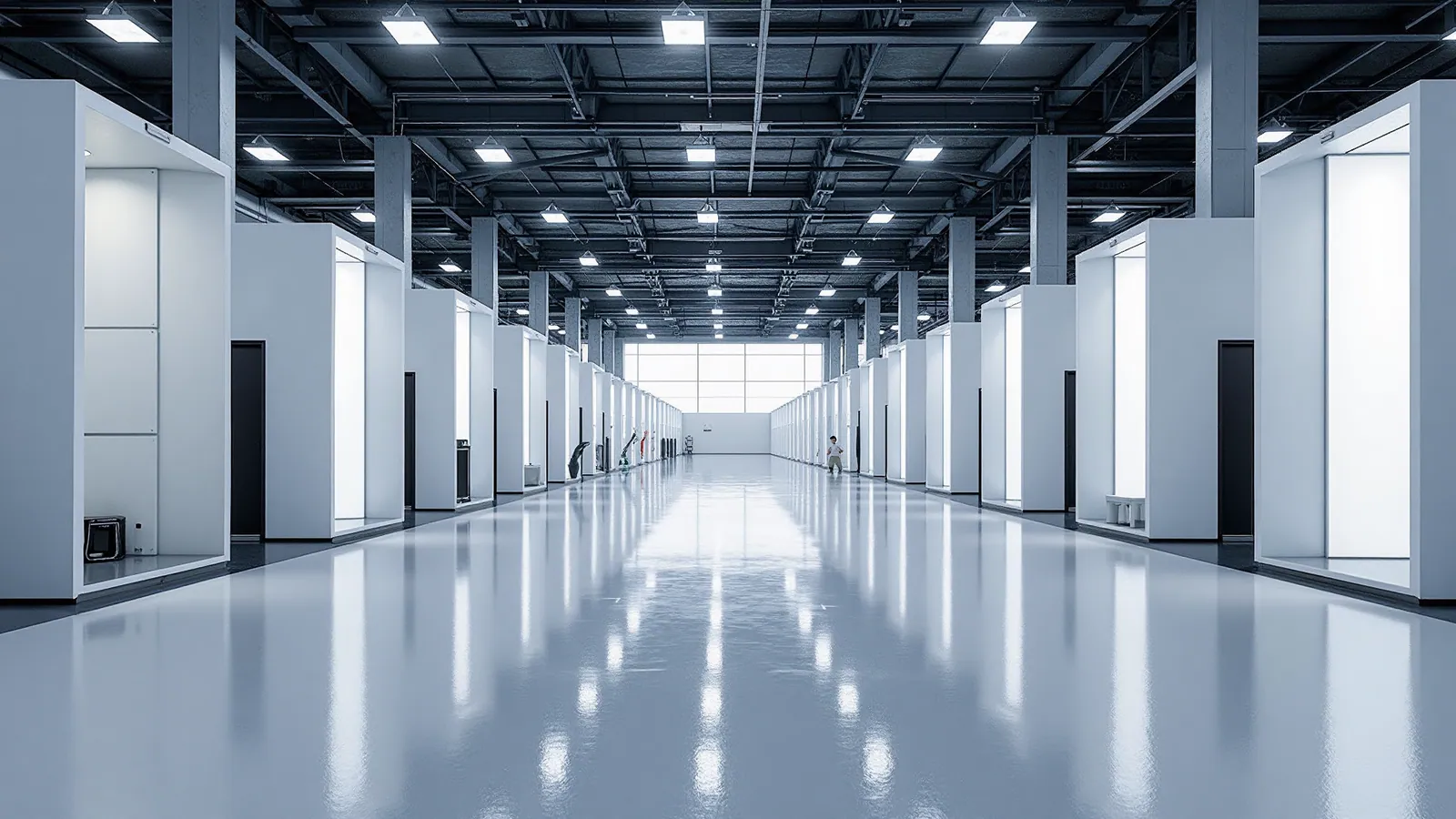
Portal gate posts standing on both sides of a warehouse aisle

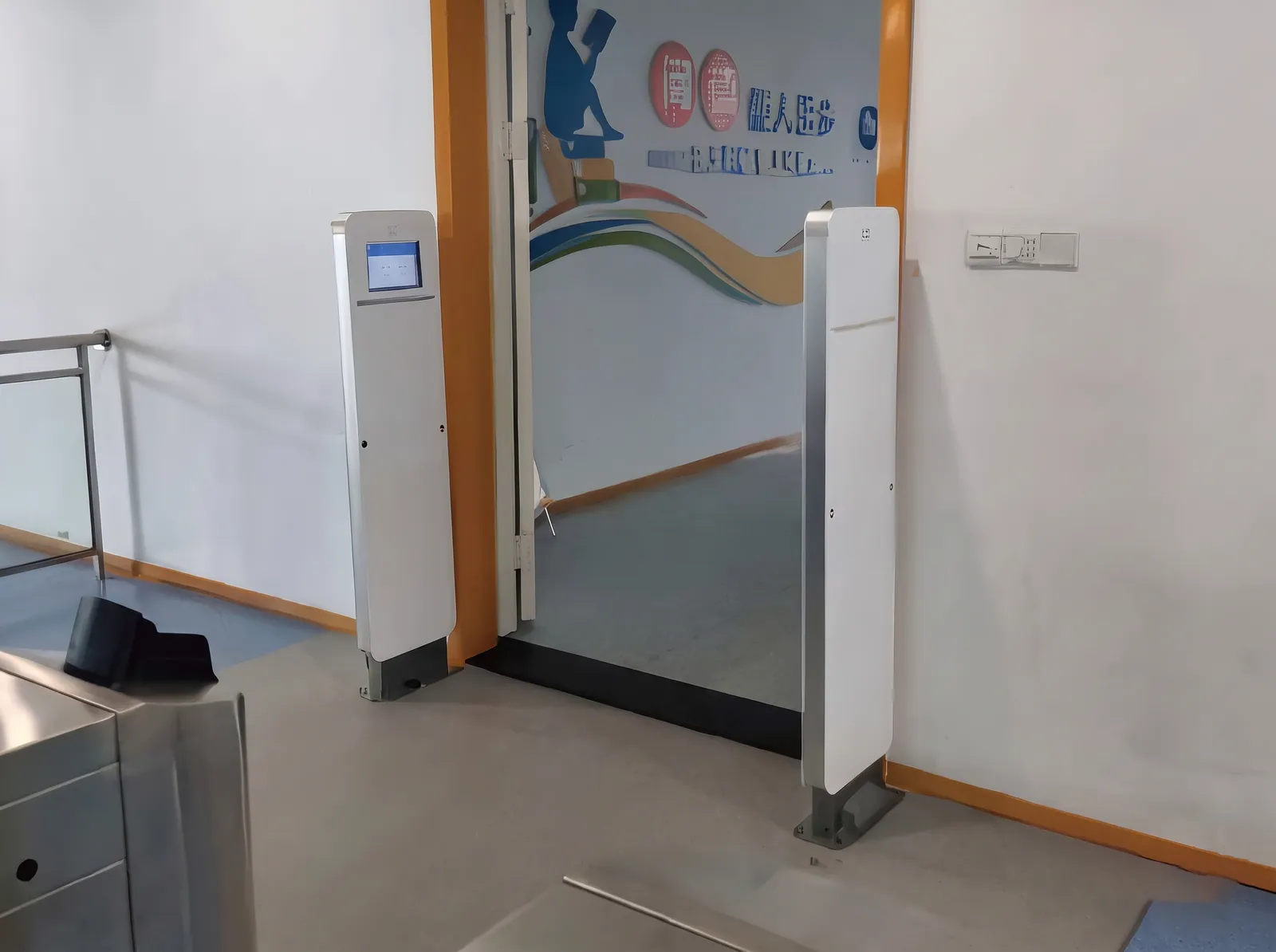
Library entrances

Visitors and staff wheel return carts through the gate, and each item is counted as it passes. Items that leave without a loan record are flagged at the door, so the desk can settle the case immediately instead of running a shelf check later.

Library book cart moving through the entrance area

Retail entrance and anti-theft

At a two-leaf shop entrance the gate covers the full opening and reads tagged stock as customers leave. A tag that crosses without a sale record raises the alarm for staff at the door, while normal exits pass with the green light only.
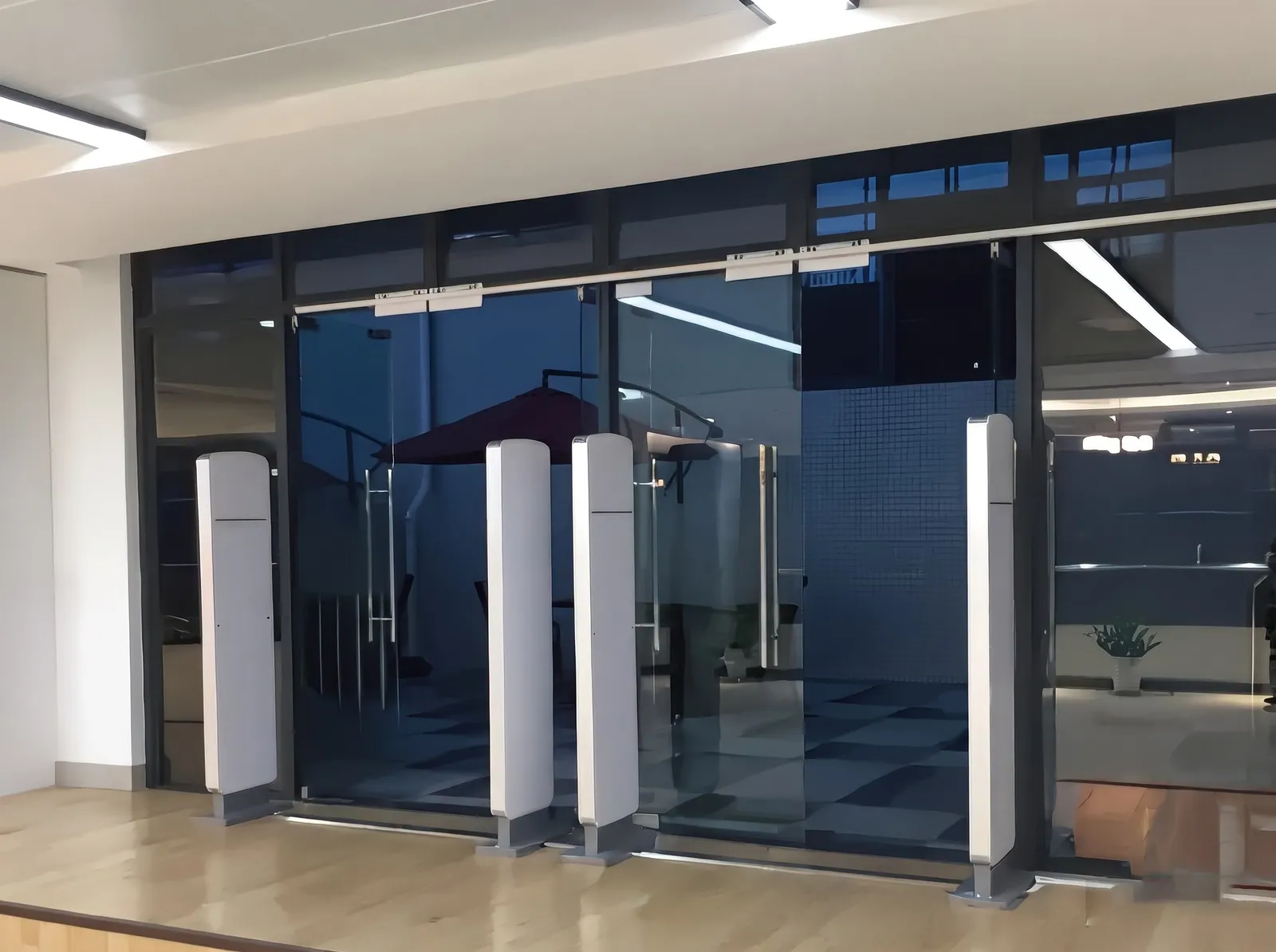
Portal gates installed at a retail glass entrance

What the portal gate is for

A portal gate is the checkpoint where tagged goods, books or assets pass in and out of a controlled area. Two antenna posts stand on either side of the opening, every tag that crosses the read zone is captured in one pass, and the host system compares that read with the transaction the site expects. When a tag crosses without a matching record, the light strip and buzzer alert the operator at the door instead of leaving the discrepancy for an end-of-day report.

The gate works on ISO18000-6C (EPC GEN2) in the EU band 865–868 MHz and the US band 902–928 MHz. Four 8 dBi circular-polarized flat panel antennas build the read field, so a tag does not have to be presented at one precise angle to be seen.

RFID portal gate with two white antenna posts

The read zone is a specification, not a promise

Buyers usually open with the question of how far the gate reads. Distance is one link in a chain that starts with the width of the opening and the way goods are carried through it.

Channel configuration正在使用的天线Rated read zoneTypical opening
Single channel一对帖子0.8–1.5 米Personnel door, hand-carry aisle
Dual channelTwo post pairs1.6–2.2 米Pallet lane, cart or trolley traffic

Single-channel gates read 0.8–1.5 m; pairing two posts into a dual-channel gate extends the working zone to 1.6–2.2 m. Both figures assume a tag with a clear line of sight to the antenna. A tag pressed against a pallet of dense cartons, or lying flat under a metal shelf, will read shorter, which is why the lane layout matters as much as antenna gain.

Warehouse aisle with portal gate posts on both sides

Gate width, traffic and misreads

Lane width

A single post pair suits a personnel door or a hand-carry aisle. A pallet lane needs a second pair so the field covers the full opening. Each post is 1500 mm tall and 365 mm deep, so the floor or frame it stands on has to be flat and load-bearing, fixed with expansion bolts.

Traffic volume

Reads leave the gate over RS232 or RJ45 (TCP/IP) and are matched against transactions by the host system. Throughput is governed by that matching rule rather than by the RF stage, so agree on the transaction window with the software team before commissioning.

Misreads and false alarms

Circular polarization and adjustable RF power from 0 to 30 dBm let you shape the field. A lower setting narrows the zone so the gate does not read stock on a shelf beside it; a higher setting covers a wider lane. Set the power with the real goods in place, because a tag on a metal trolley behaves differently from a tag on a cardboard box.

Alarm behaviour and system integration

Red and green LED strips show the pass and exception states, and the built-in buzzer sounds on an unmatched read. Standard interfaces are RS232 and RJ45 (TCP/IP); API and database development kits are supplied so the gate can exchange data with a WMS, library system or POS platform without a custom driver.

Two portal gates installed at a glass entrance

Site planning before the posts arrive

  • Confirm the band for the region: 865–868 MHz in Europe, 902–928 MHz in the US.
  • Check power: 220 V +10%, 55 Hz, 45 W per gate, with an earth point close to the mounting position.
  • Keep metal racking and shelving out of the immediate read zone; they reflect UHF energy and distort the field.
  • Agree the exception rule first: which reads count as a crossing, and how long a tag may stay in the field before it is reported once.
  • Allow for the environment: the gate is rated for −30 to +70 °C operation at 5%–95% humidity, but the controller and cabling still need a dry route.

How to choose between one and two channels

A single-channel gate fits a door where people carry items by hand and the opening is under about 1.5 m. Choose the dual-channel version when forklifts, carts or book trolleys pass through and the read zone has to span the full width. If a site runs a wide goods lane and a narrow personnel door, two gates with different power settings usually work better than one gate turned up to cover both.

WhatsApp 聊天