| Item | Specification | Note |
|---|---|---|
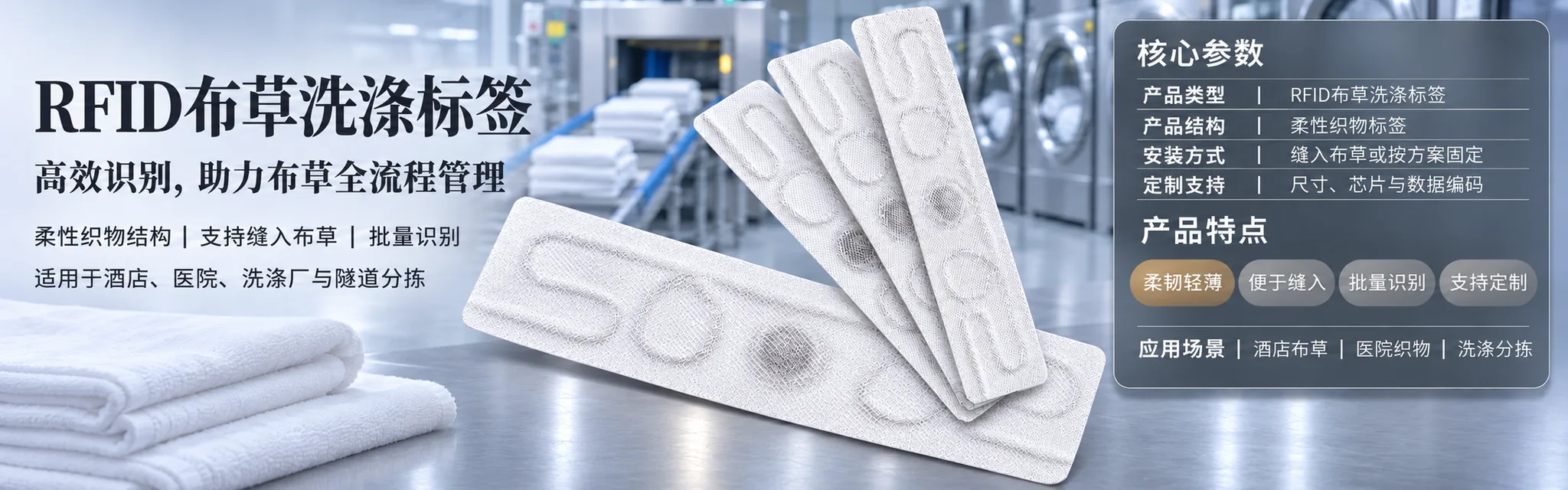
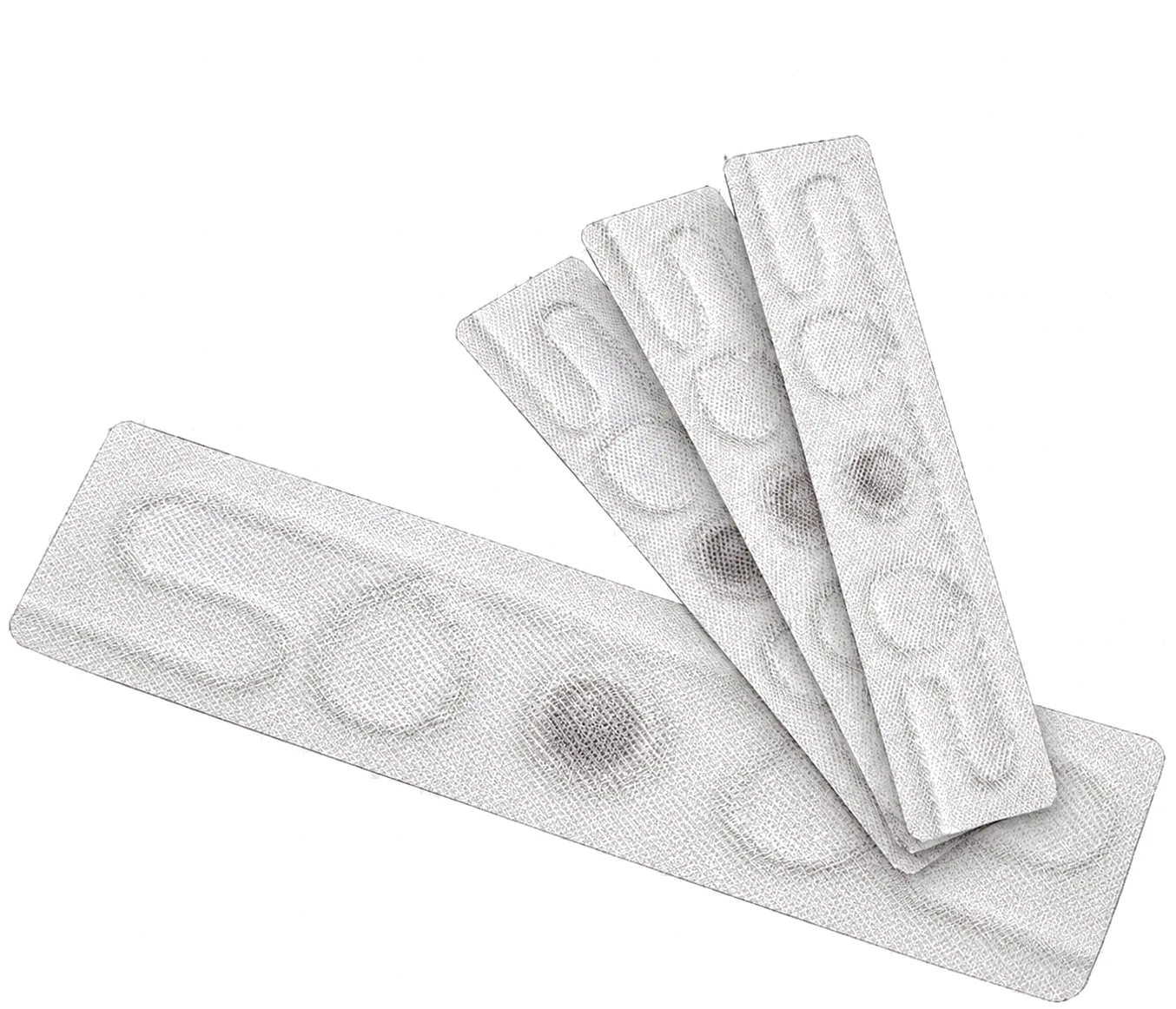
| 尺寸 | 70 × 15 × 1 毫米 | Cut to length on request |
| 材质 | Woven textile | 柔软灵活的标签 |
| 颜色 | White | Printed face available |
| 重量 | 0.5 g | 穿戴时隐形 |
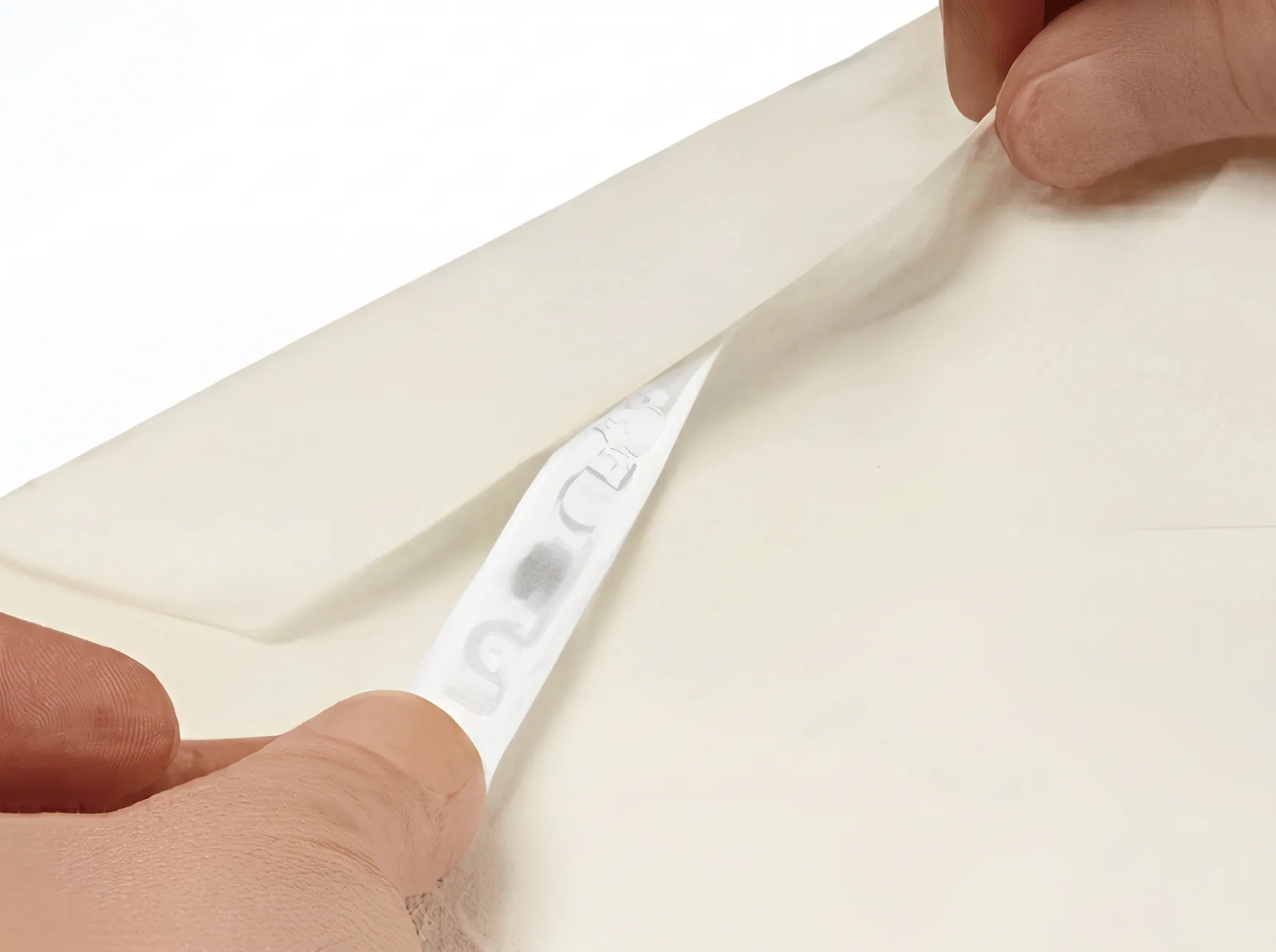
| 安装 | Sewn into hem or seam | 缝合两个短边 |
| 协议 | EPC 类 1 代 2 / ISO 18000-6C | — |
| Frequency | 905–928 MHz (CN & US) | — |
| Chip | U9 / H9 | Selected per order |
| 内存 | 96 or 128-bit EPC; 512-bit user | 芯片相关 |
| Read range (handheld) | ≥3 m | 1 W,0–3 dBi,自由空间 |
| Read range (fixed reader) | ≥4.2 m | 4 W,6–12 dBi,自由空间 |
| 防护等级 | IP68 | 浸泡液和洗涤液 |
| 工作温度 | -40 至 +70 °C | Continuous |
| 存储温度 | -40 至 +120 °C | 短烘干峰 |
| 应用表面 | Non-metal | Fabric and linen |
构建选择
| Build | Chip | Edge and sealing | 最佳用途 |
|---|---|---|---|
| Standard woven | U9 | Laminated woven face, sealed edge | Hotel bed linen and towels |
| Reinforced woven | H9 | 更重的封装,更硬的边缘 | High-temperature programmes and workwear |
| Printed | U9 / H9 | 织标、尺码或洗涤标签 | Rental programmes that sort by customer |
| Roll format | U9 / H9 | Continuous strip for in-house cutting | 自行缝制标签的洗衣店 |
Factory inspection sheet
| Check | Pass criteria | 失败时操作 |
|---|---|---|
| Read test | Reads at both ends of the client's reader window | Re-encode or scrap |
| 边缘密封 | No separation after the immersion test | Scrap |
| Dimension | 70 × 15 mm within tolerance | Reject |
| EPC data | 匹配已编码的订单文件 | 重新编码 |
| Sewing line | 洗涤模拟后无毛边 | Re-cut or scrap |
Application scenarios
Hotel bed linen and towels
Sheets and towels are the highest-volume linen in a hotel and the easiest to lose. The label goes into the hem of each piece; the laundry gate counts what arrives and what leaves, and housekeeping knows which floor a missing piece came from.

医院病号服与手术铺单
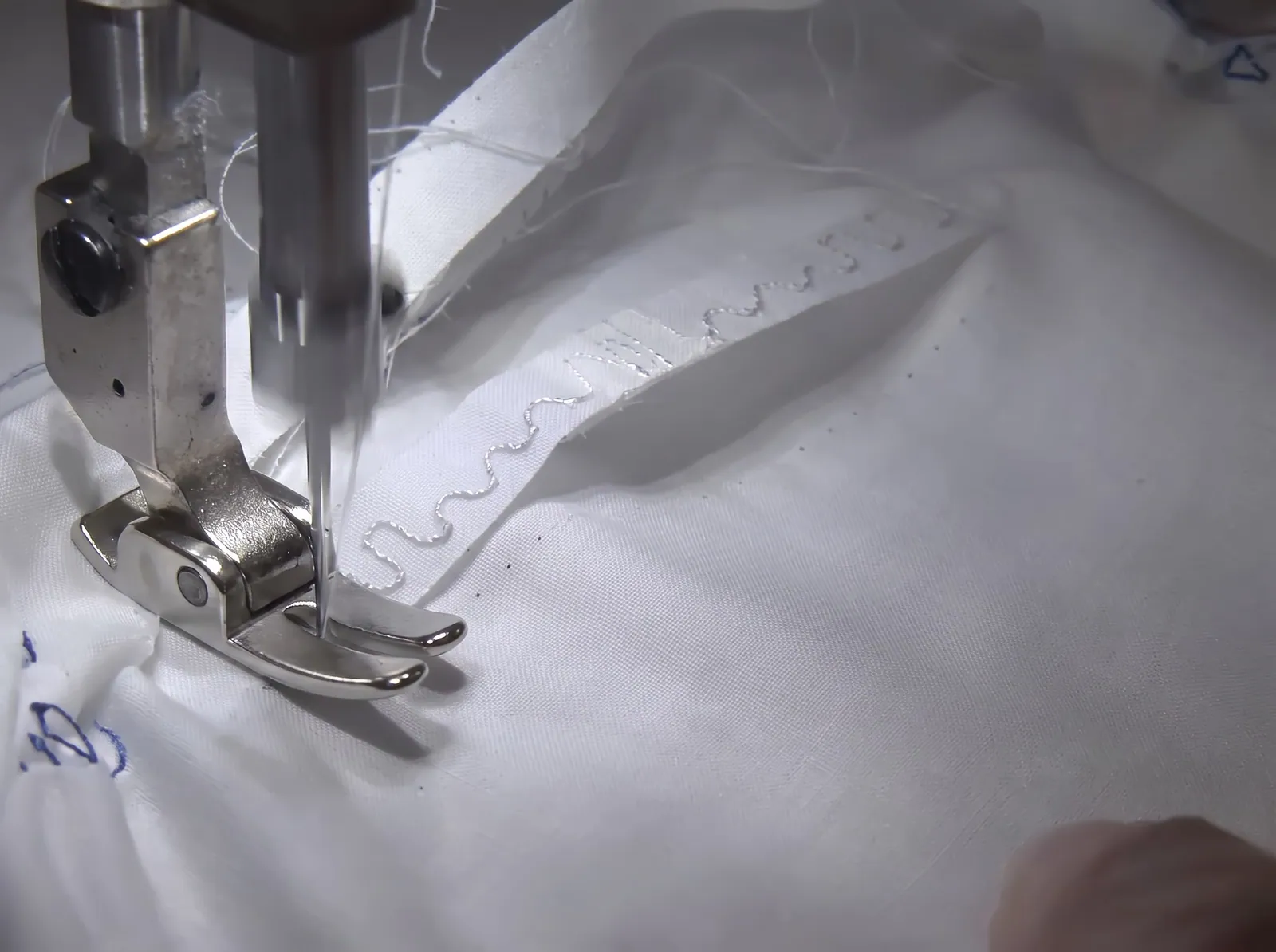
Patient gowns, scrubs and drapes are washed on a hotter, more chemical programme than hotel linen. The reinforced build is specified here, and the label is sewn into a seam that the laundry already inspects, so a damaged tag is found at the same time as a damaged seam.
工装租赁与高周转计划
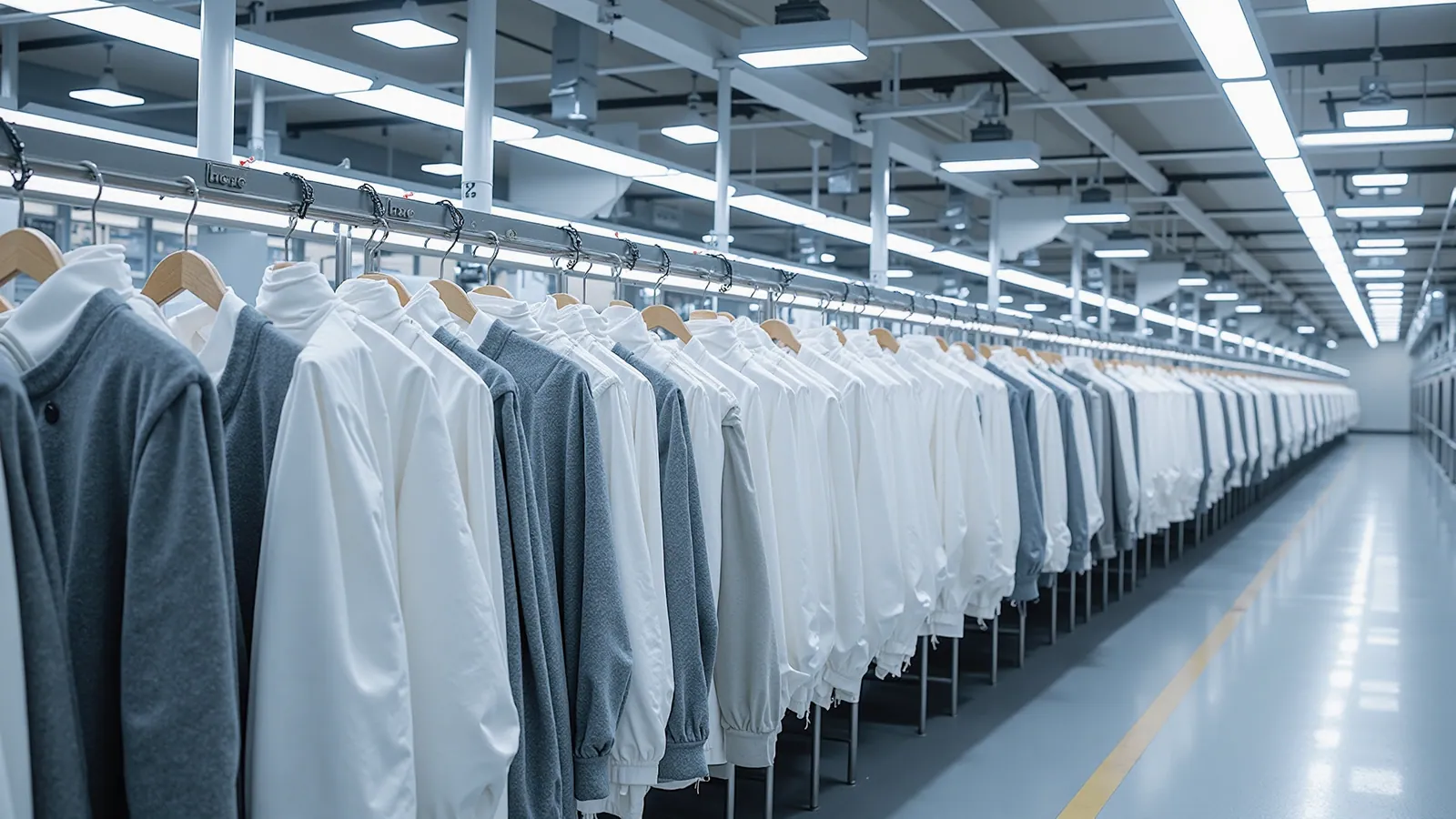
In a rental programme the same jacket passes through the laundry every week. The label is read at intake and at dispatch, so the rental company counts pieces per customer and knows when a garment has reached the end of its service life.