
中国广东省东莞市凤岗镇玉湖路9号B栋8F
anja@flsrfidpro.com+852 46090773
在 24 小时内回复
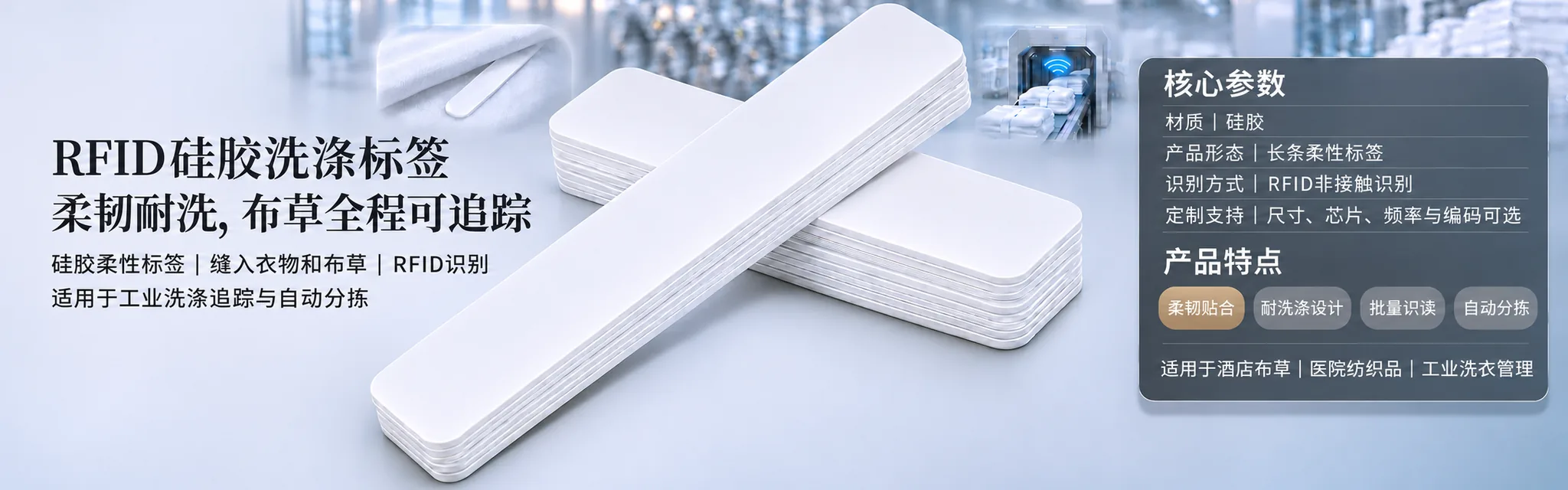
Silicone Laundry RFID Tag
+

Silicone Laundry RFID Tag

适用于高温、高湿及强化学环境洗衣程序的 55 × 12 × 2.5 毫米硅胶封装 UHF 标签。支持 EPC Gen 2,频率范围 905–928 MHz,防护等级 IP68,手持读取距离 ≥4 米,固定式读取距离 ≥8 米——兼具刚性纽扣与织唛标签灵活性的理想选择。

CategoryRFID Laundry Tag
Views1,615
Total Sold448,937
SpecificationSilicone tag, U9, white, standard grade / Silicone tag, H9, high-temperature and high-chemical grade
Price联系询价
Download Specification
ItemSpecificationNote
尺寸55 × 12 × 2.5 毫米一体式缝制
材质SiliconeMoulded around the inlay
颜色White standard; other colours on requestMatched to a sealed sample
重量2.0 g—
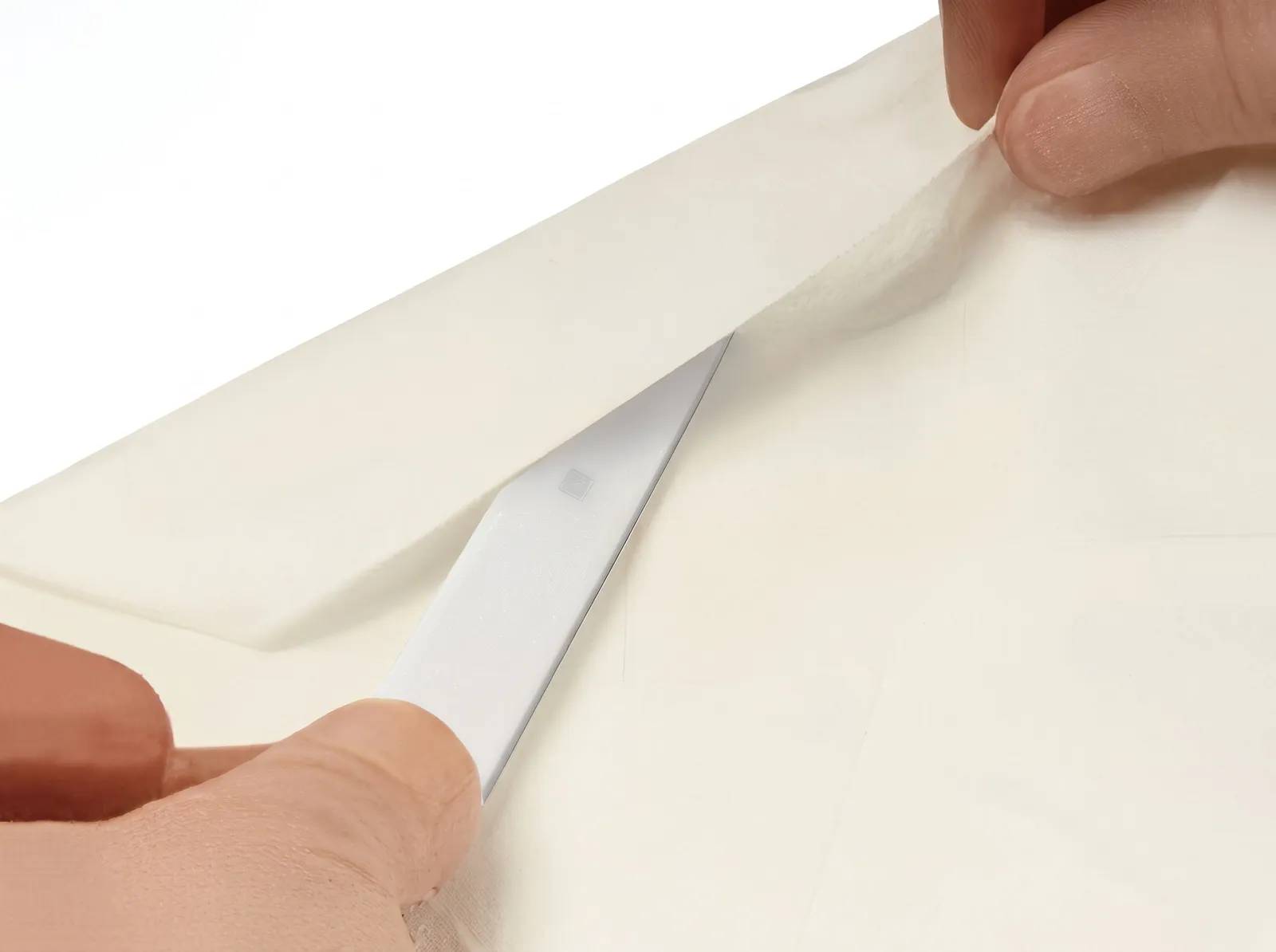
安装Sewn-inStitch off the inlay window
协议EPC 类 1 代 2 / ISO 18000-6C—
Frequency905–928 MHz (CN & US)—
ChipU9 / H9Selected per order
内存96 or 128-bit EPC; 512-bit user芯片相关
Read range (handheld)≥4 m1 W,0–3 dBi,自由空间
Read range (fixed reader)≥8 m4 W,6–12 dBi,自由空间
防护等级IP68浸泡液和洗涤液
工作温度-40 至 +70 °CContinuous
存储温度-40 至 +120 °C短烘干峰
应用表面Non-metalFabric and linen

运营商对比

Carrier力量Watch-out最佳用途
Silicone (this product)Flexible moulded body, no glued edgeThicker than a label; needs hem depthHot or chemical-intensive programmes
PPS buttonRigid body keeps the antenna flatHard point under the pressHeavy linen and workwear
Woven labelThin and unnoticeable in wear依赖边缘密封Hotel bed linen and towels
Reinforced wovenHeavier encapsulation on a flat carrierStill thin; not for rough handlingHospital programmes on flat linen

Factory inspection sheet

CheckPass criteria失败时操作
Read testReads at both ends of the client's reader windowRe-encode or scrap
模制密封No void or exposed inlay on the bodyScrap
Flex testNo crack after repeated bending删除批次
Dimension55 × 12 × 2.5 毫米(含公差)Reject
颜色Matches sealed sample under D65 light隔离批次,重新匹配

Application scenarios

High-temperature tunnel washing

At the hot end of the tunnel the tag is wet, compressed and briefly above wash temperature. The moulded silicone body keeps the inlay sealed and flexible, so the tag follows the linen through the press instead of creasing at a hard edge.
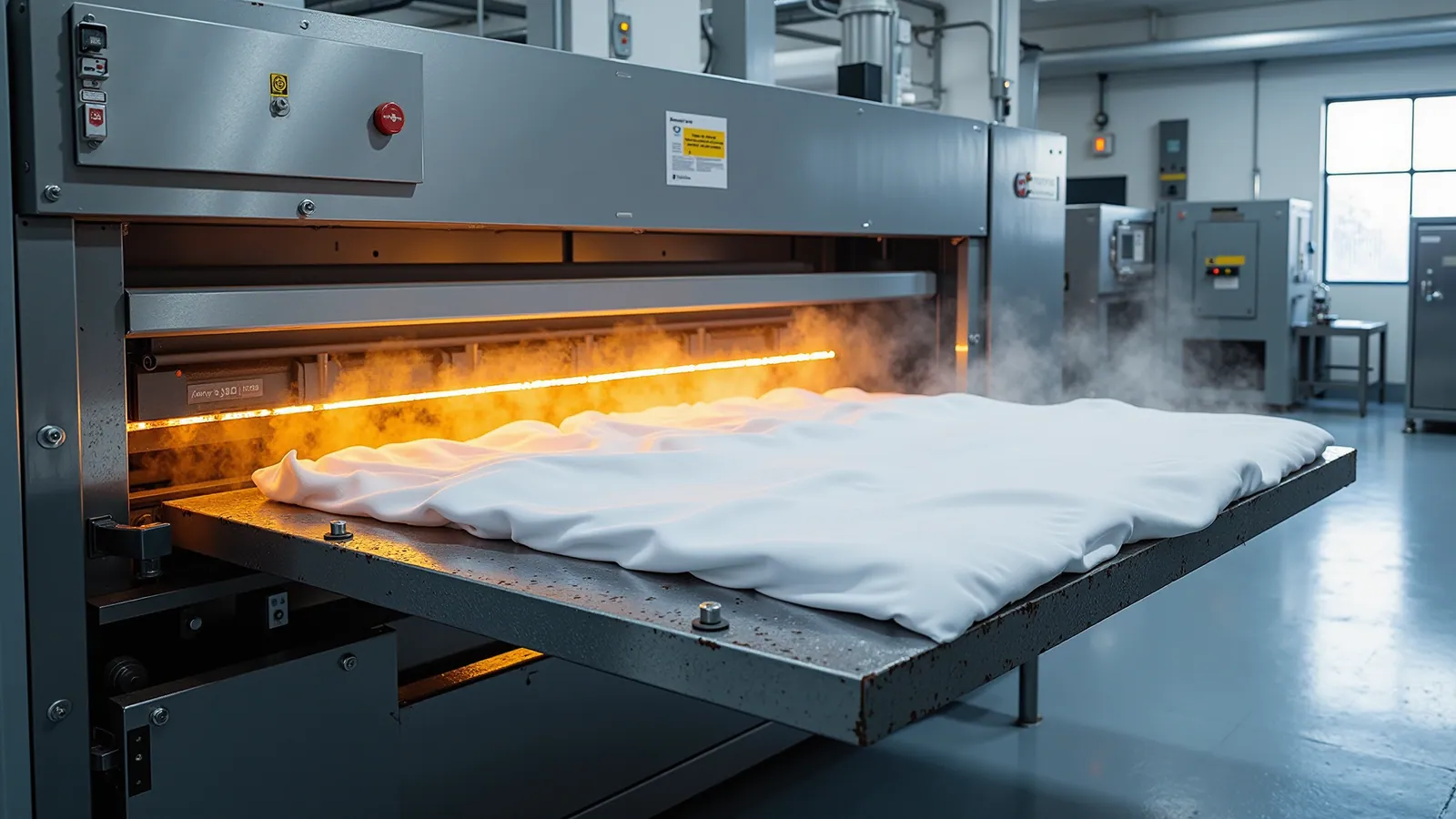
White linen leaving a tunnel finisher in steam

Strong alkali and chlorine disinfection

Where the programme uses aggressive chemistry, the weak point of any tag is the seal. Silicone is chemically inert and the inlay is encapsulated in one moulded piece, so there is no laminate edge for the liquor to lift — the reason this carrier is specified for hospital and food-service linen.
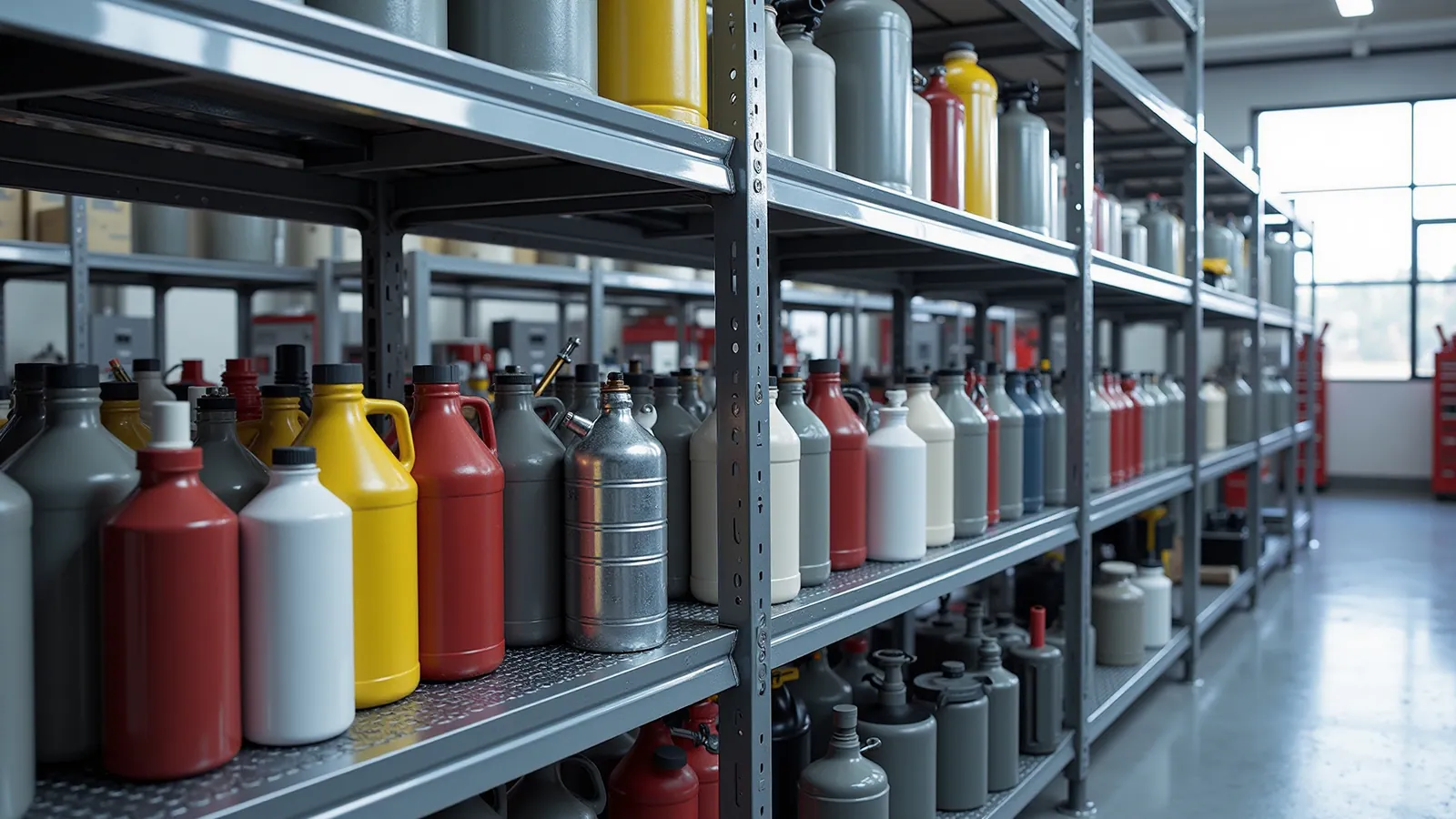
Detergent and chemical containers on a shelf in a laundry

Workwear and cleanroom garments

Garments that bend at the hem need a tag that bends with them. The silicone body sits flat inside the hem and survives the press, and the same tag can be read at garment issue and at the laundry gate.
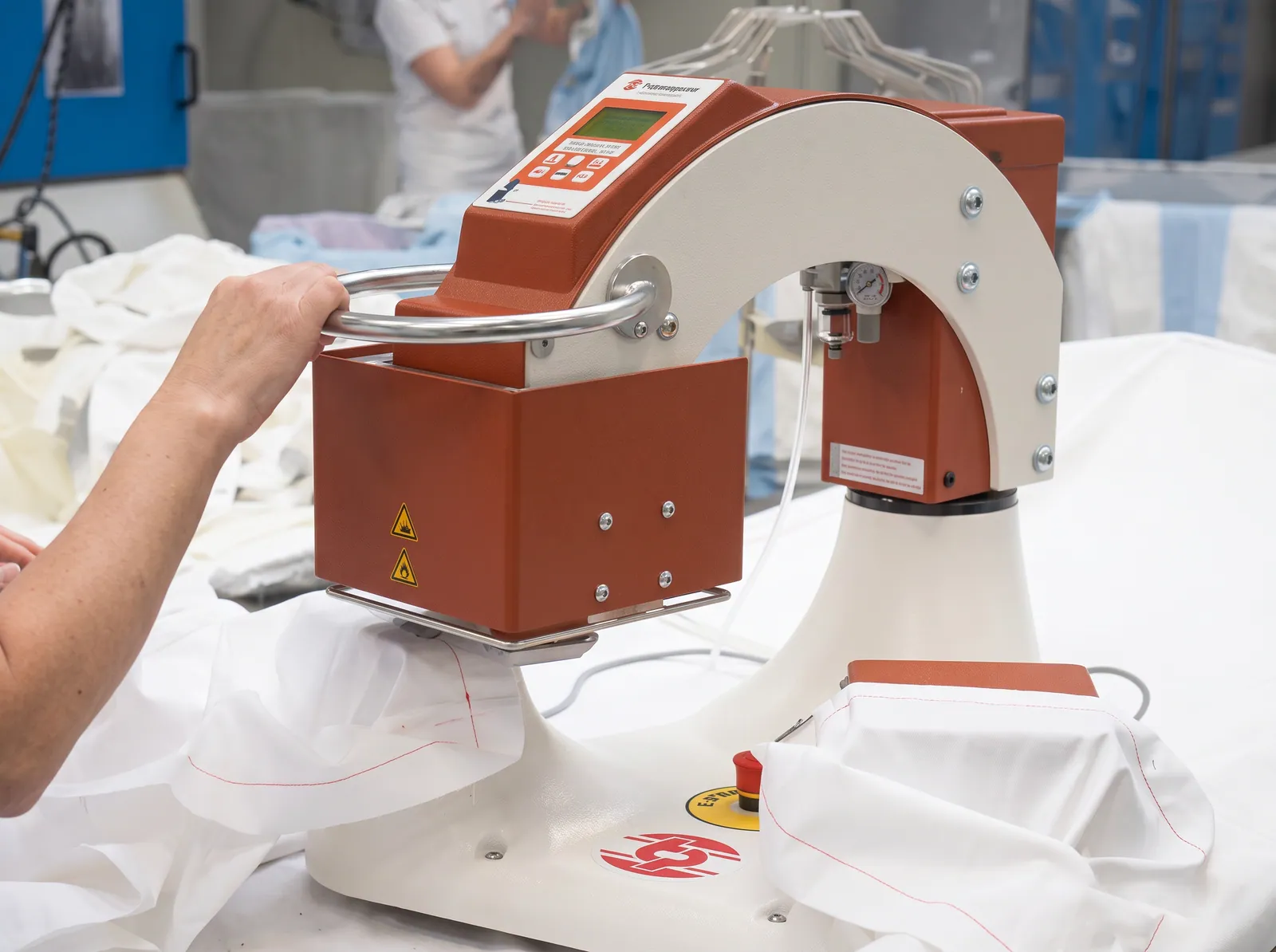
Operator pressing white garments in a commercial laundry

三台传送机,一条清洗通道

Laundry tags come in three carrier types: the rigid PPS button, the flat woven label and the silicone-encapsulated tag. They can share the same UHF inlay; what separates them is how the inlay is protected and how the carrier behaves in a tunnel washer. This page compares the three under the same conditions, because that is how the choice is actually made.

Steam rising from white linen at the exit of an industrial tunnel finisher

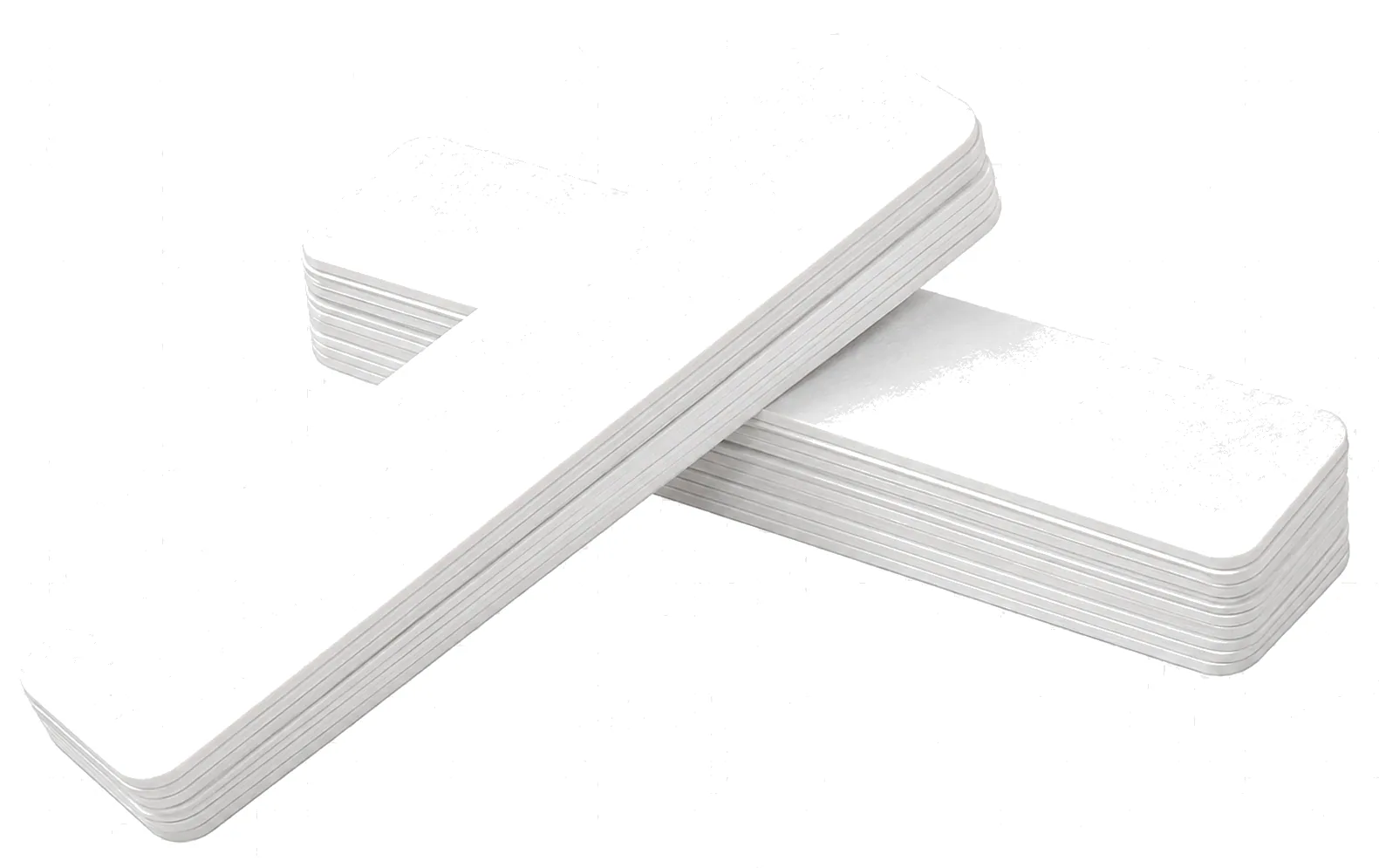
The silicone tag on this page is 55 × 12 × 2.5 mm and weighs 2 g. The inlay is moulded inside the silicone, so there is no glued edge and no hard shell to crack.

What all three have to survive

所有运载工具都会面临同样的四种应力,且顺序一致:入口处的机械搬运、洗涤液作用、烘干热量以及末端的压光与折叠。若一种方案解决了其中一项却未能应对另一项,它并非更经济的选项——三个月后便需重新贴标。

StressWhat happensWhat the carrier must do
HandlingPieces are pulled, sorted and pressed in bulkStay attached to the fabric and keep the inlay flat
Wash liquorDetergent, alkali and bleach, often hotSeal the inlay completely — IP68, no open edge
DryingShort peaks well above wash temperatureSurvive the peak without softening or delaminating
Press and folderPressure and heat on a hard pointDistribute the pressure, not concentrate it on the chip

PPS button: the rigid option

A PPS button is a hard disc sewn into the hem. Its advantage is mechanical: it cannot crease, the inlay sits in the middle of a rigid body and the sewing position is obvious to any repair station. It also reads well in a crowded bag because the antenna keeps its shape.

成本体现在舒适性和操作便利性上。硬标在压烫时如同压在面料上的块状物,在轻薄织物上容易拉扯下摆。它适用于厚重亚麻、工装及标签需经受粗暴处理的各类产品。

Woven label: the flat option

A woven label is the least visible carrier: 1 mm thick, sewn in beside the care label, no hard point for the press. Its advantage is that nobody notices it, and the linen folds exactly as it did before.

权衡之处在于,该嵌入式标签位于薄而柔韧的层叠结构中,因此其标签完全依赖边缘密封。对于标准洗涤程序中的酒店床单、毛巾和轻薄衣物,这是合适的选择;而在高温或强化学剂含量的洗涤程序中,则应选择加固型设计。

Silicone: where it wins, and what it costs

Silicone sits between the two. The inlay is moulded inside a flexible body, so the tag bends with the fabric instead of creasing like a rigid disc, and the moulded shell has no glued seam for wash liquor to attack. That combination is why silicone is chosen where a woven label is too thin and a button is too hard.

Stack of white silicone laundry tags with visible inlay windows

What it costs is read range: ≥4 m on a handheld reader and ≥8 m on a fixed reader are strong numbers, but a silicone body is thicker than a woven label and cannot be sewn into a narrow hem. Plan the sewing position with the garment maker, not after the first wash.

Chemistry is the deciding factor

Between the three carriers, the choice usually comes down to the chemical programme. Silicone is chemically inert, and because the inlay is encapsulated in one moulded piece there is no laminate to lift when the wash liquor is aggressive. Where a plant runs strong alkali or a chlorine-based disinfection stage, that construction is the reason to choose silicone over a thin label.

Chemical containers stored on shelves in a laundry plant

The limit is the same for all three: the tag is rated for continuous operation from -40 °C to +70 °C, with short peaks to +120 °C. Chemistry does not change that band, so check the drying stage as carefully as the wash stage.

How to choose

  • Hotel bed linen, standard programme, lowest cost per piece: woven label.
  • Heavy linen and workwear, rough handling, crowded bags: PPS button.
  • Hot or chemically aggressive programme, flexible garment: silicone tag.
  • 混合植物,含多个程序: one chip family across all three carriers, so the reader side stays the same.

Questions buyers ask first

Is silicone better than a woven label?

Not universally. Silicone is the better choice for aggressive chemistry and for garments that need a flexible tag; a woven label is thinner, cheaper and less noticeable on flat linen. Match the carrier to the programme.

Can it be sewn into a hem?

Yes — the tag is sewn in through the moulded body, like a button. Allow enough hem depth for a 12 mm wide body and keep the stitch off the inlay window.

Will it read through a full sling?

UHF 可穿透织物读取。实际读取数量取决于吊带的包装方式及阅读器配置;分拣站通常采用固定门禁方案。

Does it work on metal surfaces?

No — like the other carriers on this page, it is designed for non-metal service inside fabric. Keep it away from direct contact with steel trolleys and shelves.