
中国广东省东莞市凤岗镇玉湖路9号B栋8F
anja@flsrfidpro.com+852 46090773
在 24 小时内回复
RFID Plastic Cable Tie
+

RFID Plastic Cable Tie

An ABS cable-tie RFID tag for non-metal assets: an Alien-H9 or Monza-m4qt UHF inlay moulded into a self-locking tie that wraps cables, pipes and bundled goods. IP68, -40 to 105 °C, Q28 head with a 300 mm strap, reading ≥6 m on a handheld and ≥10 m on a fixed reader.

CategoryRFID Cable Tie Tag
Views629
Total Sold467,087
SpecificationStandard 300 mm strap, blue ABS, Alien-H9, unprinted / Extended weather-resistant strap, Monza-m4qt, custom colour
Price联系询价
Download Specification
ItemSpecificationNote
协议EPC Class 1 Gen 2; ISO 18000-6CReads on any Gen 2 UHF reader
Frequency905–928 MHzCN and US bands
ChipAlien-H9 or Monza-m4qtSelected at order
内存96 or 128-bit EPC; 512-bit userUser block for asset codes
Head sizeØ28 mm × L92 mmInlay sits flat in the head
Strap length300 mmTrimmed after tightening
材质ABSOne-piece moulded body
颜色BlueOther colours on request
重量10 gPer tag
安装Self-locking cable tieNo adhesive or screws
Read range, handheld≥6 m at 2 W ERP, 1 W transmit, 0–3 dBi antennaIn air, non-metal asset
Read range, fixed reader≥10 m at 4 W ERP, 4 W transmit, 6–12 dBi antennaIn air, non-metal asset
防护等级IP68Dust-tight, immersion rated
工作温度-40 至 105 °C存储温度:40 至 85 °C
应用表面Non-metalMetal contact shortens range

Choosing the right version

版本Housing and strapTypical assetWhy this one
Standard tieBlue ABS, 300 mm strapPatch panels, trays, cable loomsFastest to fit indoors
Extended strapBlue ABS, longer strapBundled pipes, stacked cratesReaches around large bundles
耐候UV-stable ABS, 300 mm strapOutdoor poles, exposed pipe runsHousing and colour hold up in sun
Custom colourColoured ABS, 300 mm strapZone or owner colour coding一目了然

Inspection before packing

Check验收标准Action if out of spec
Inlay read testReads on a handheld reader at the near end of the bandReject the tag
Locking pawlHolds at the first pull with no slip-backReject the tag
Housing finish无闪光、无缩痕、无色差Rework or scrap
ResonancePeak inside the 905–928 MHz bandHold the batch for retest
IP68 sampleSample pieces pass the agreed immersion checkHold the batch

Application scenarios

Cable and tray marking

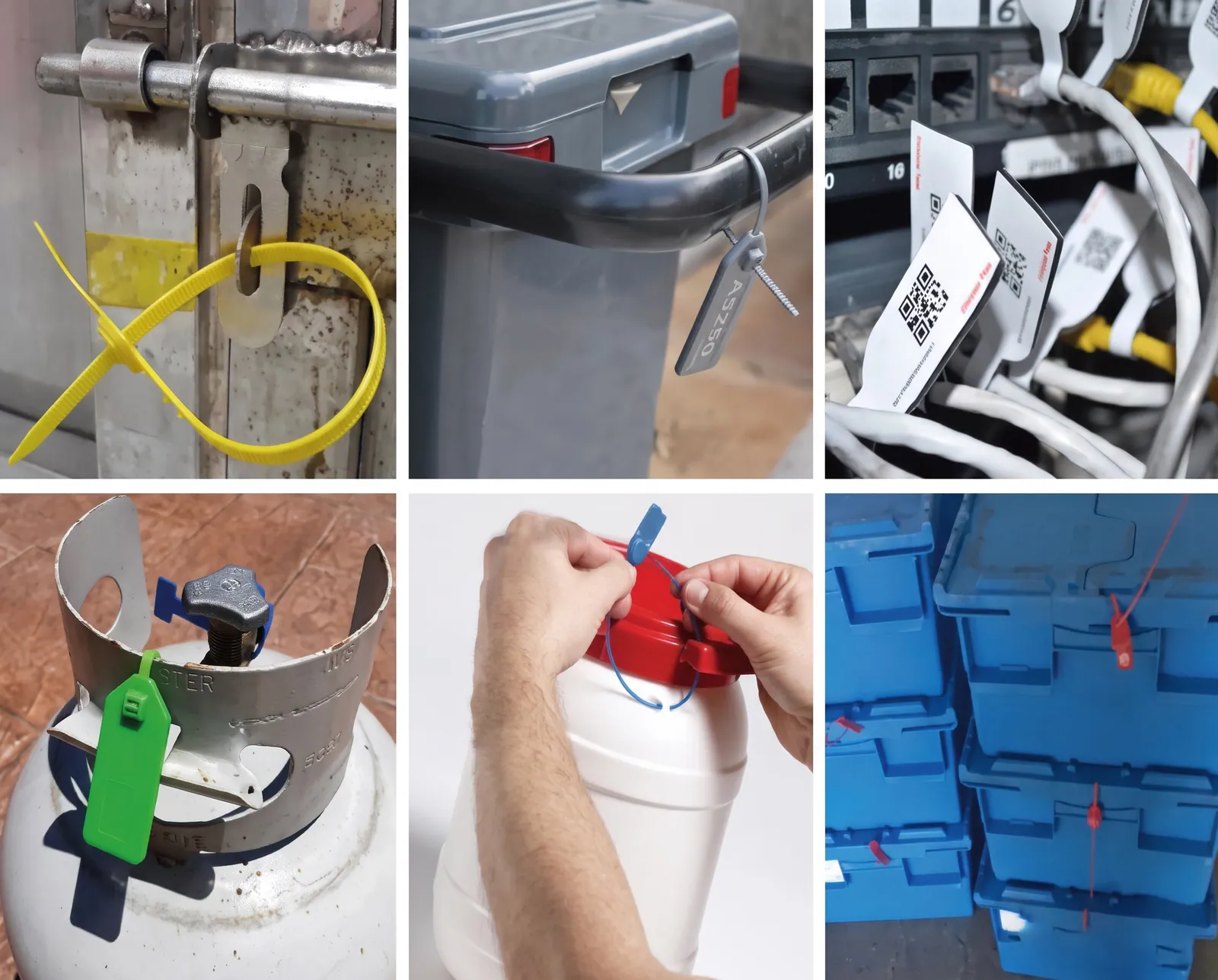
Data-centre and control-cabinet looms are tagged after the cable is dressed, so the identifier follows the run rather than a drawing. The tie is pulled around the bundle, the tail cut flush, and the next stock take reads the whole tray from the aisle instead of tracing each cable by hand.
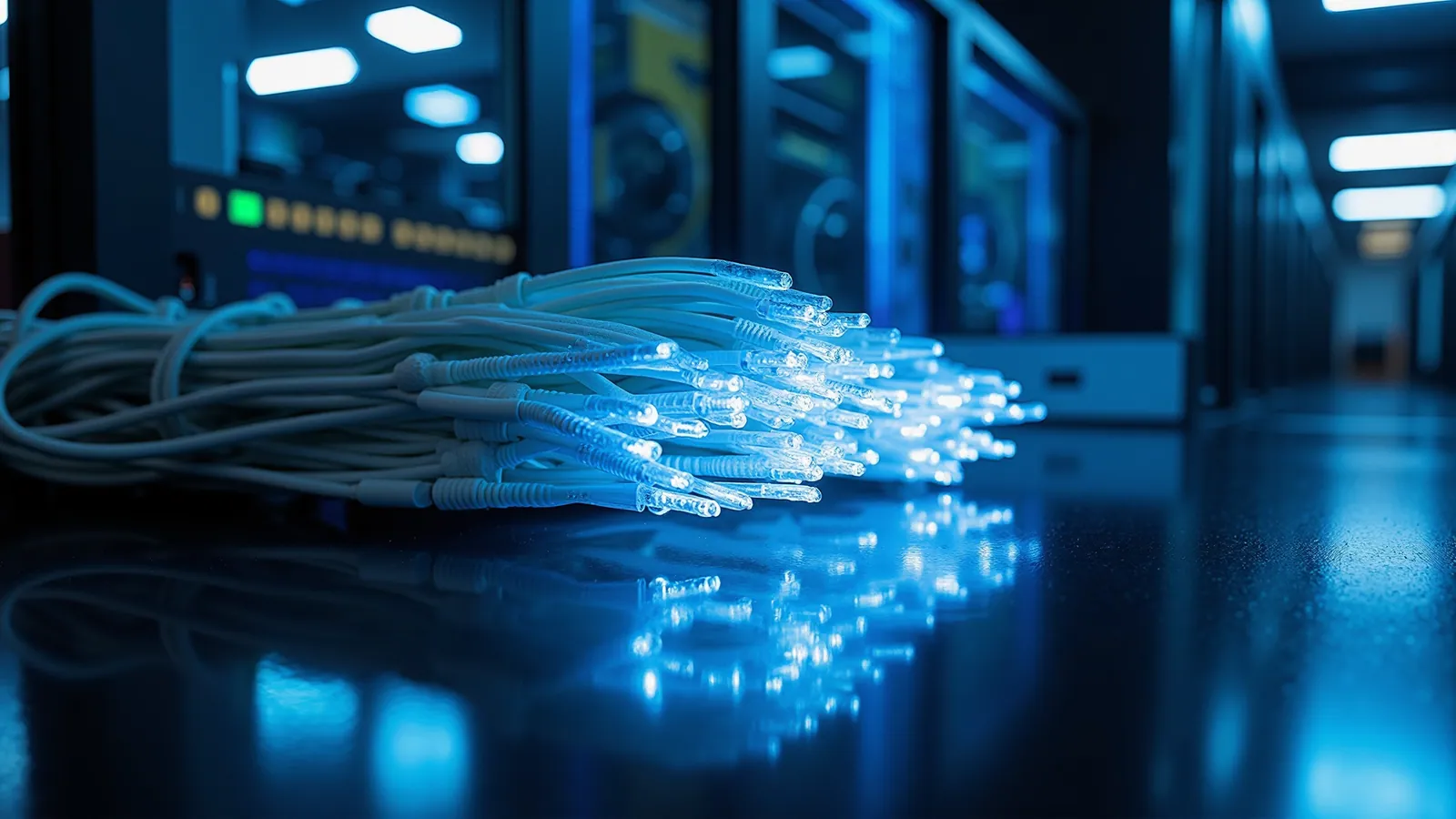
Cable bundles in a server room tagged with cable ties

Utility galleries and outdoor pipe runs

Pipes and conduits in plant rooms and outdoor galleries are labelled at each joint or valve group, so maintenance crews can confirm the line before opening it. The ABS body takes rain and temperature swings, and the tag stays put when insulation or cladding is replaced around it.
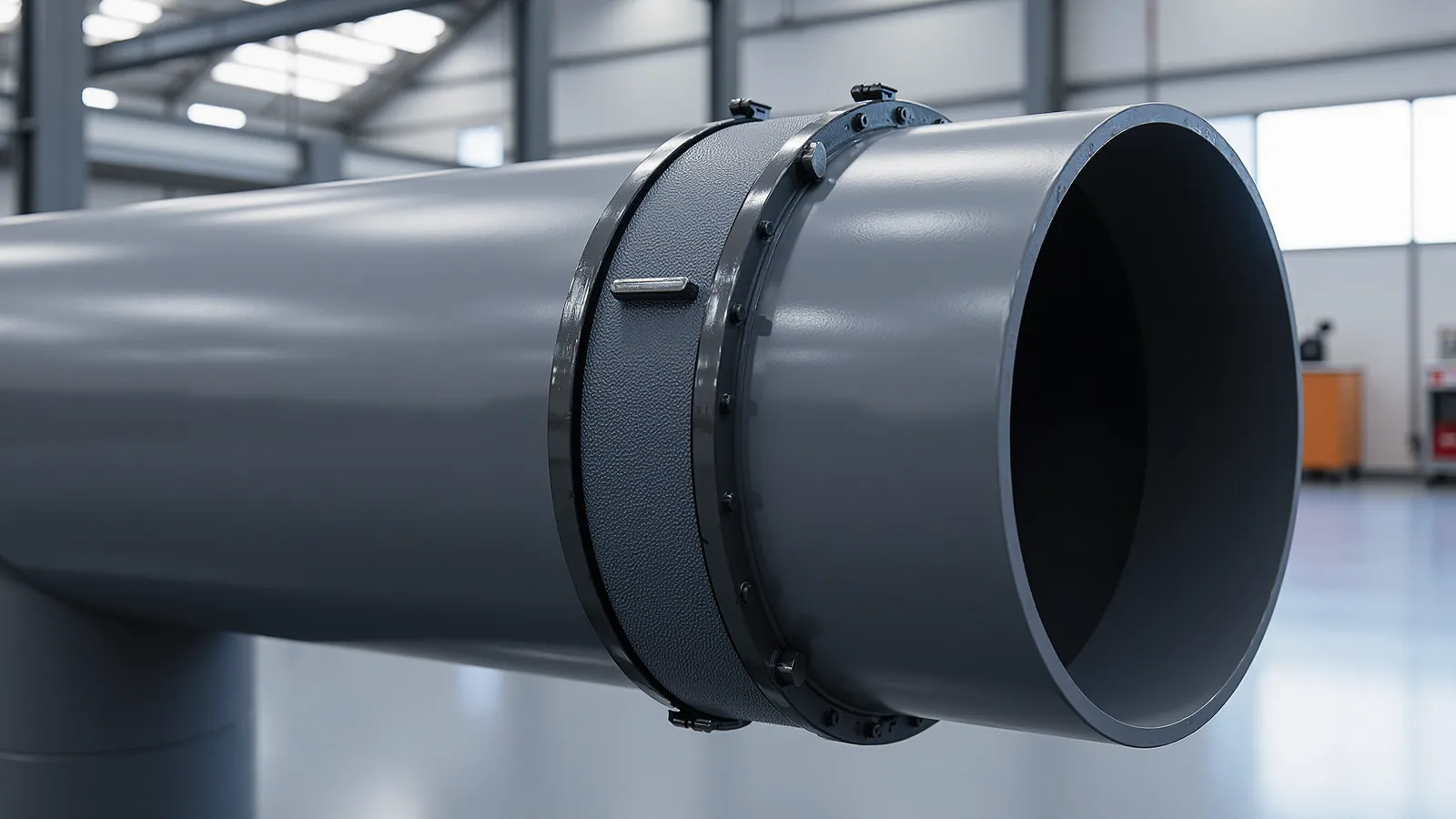
Outdoor pipe run tagged for maintenance identification

Logistics bagging and turnover crates

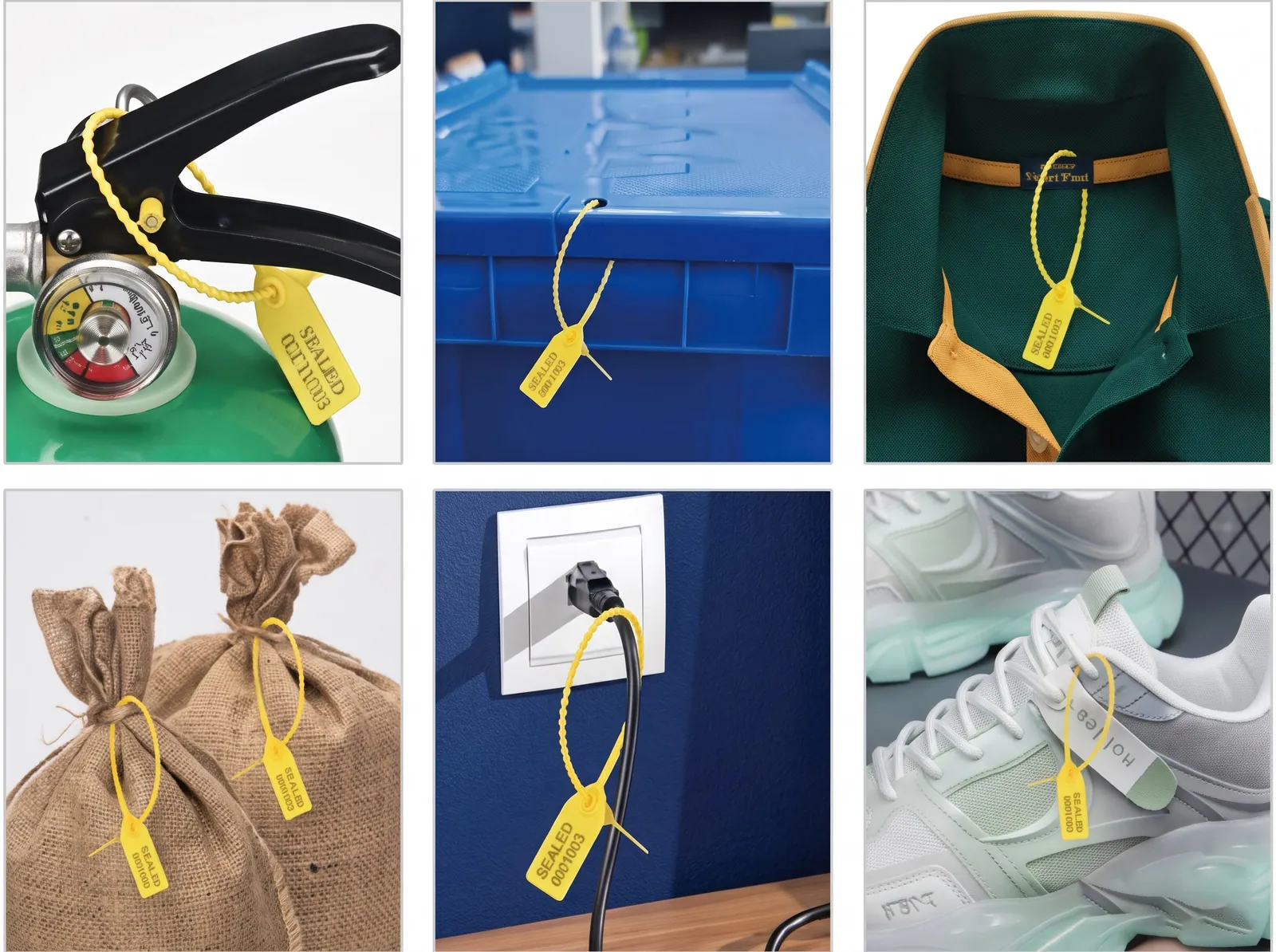
Woven bags and plastic turnover crates are closed with a tie tag instead of a plain tie, so the container is identified at the same moment it is sealed. Loading bays then read whole stacks on the move, and the tag is cut off when the crate is emptied and re-used.
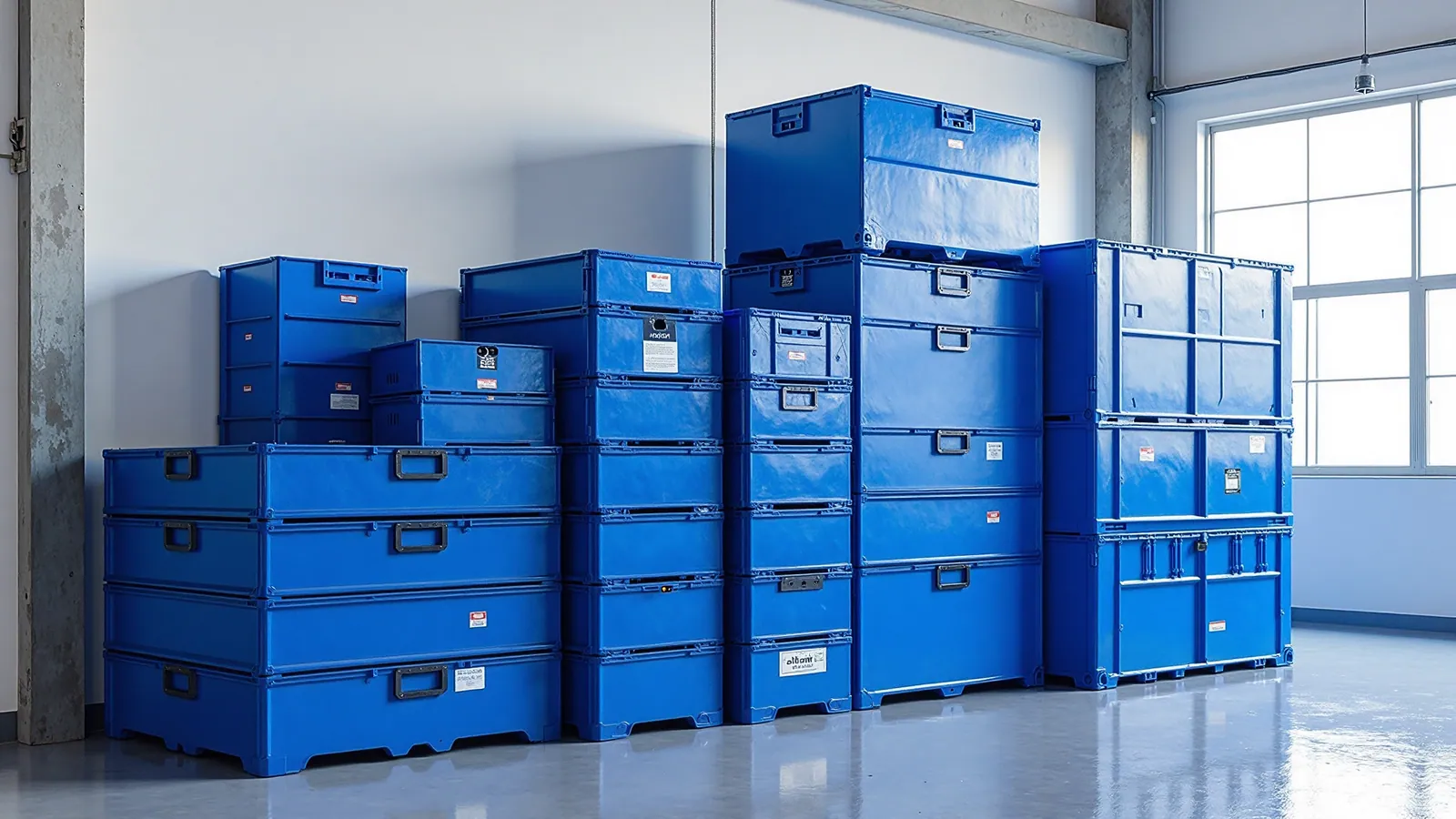
Plastic turnover crates in a logistics warehouse

A cable tie that answers when scanned

The RFID Plastic Cable Tie is a one-piece ABS tie with a UHF inlay moulded into its head, so a cable, pipe or bundled load can be tagged by hand in a single pull — no adhesive, no bracket, no separate label to peel off later. It is made for non-metal assets that need to stay identified through dust, rain and heat for years.

Because the tag is also the fastener, nothing has to be cleaned or degreased before fitting, and a damaged tie can be cut and replaced in seconds when a bundle is reworked.

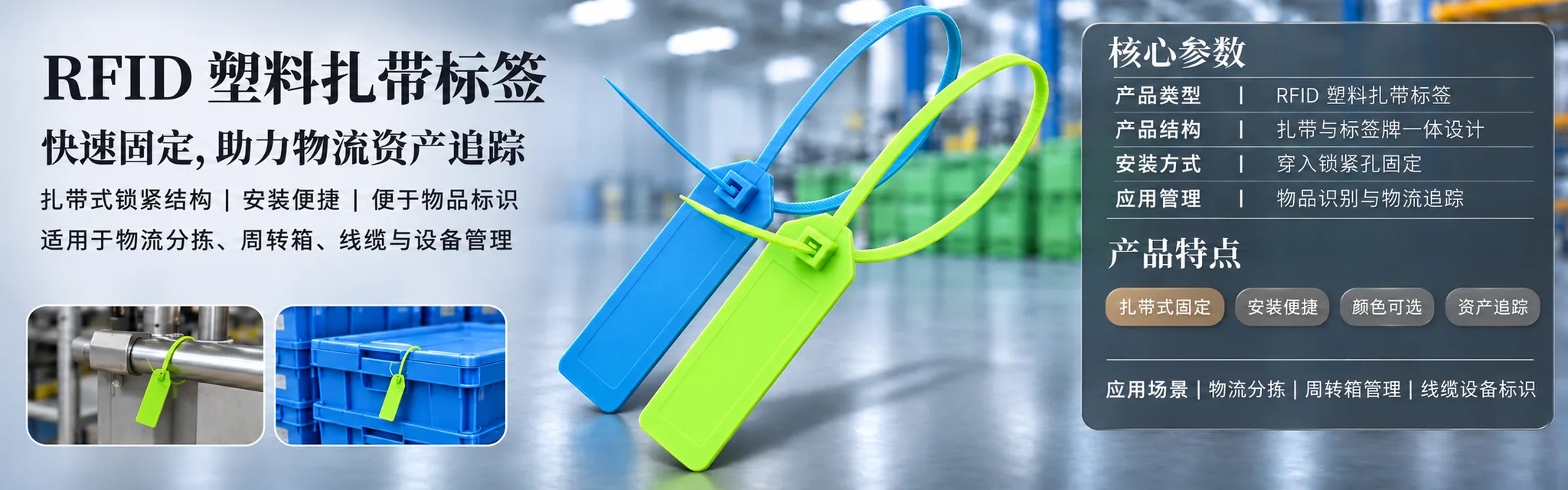
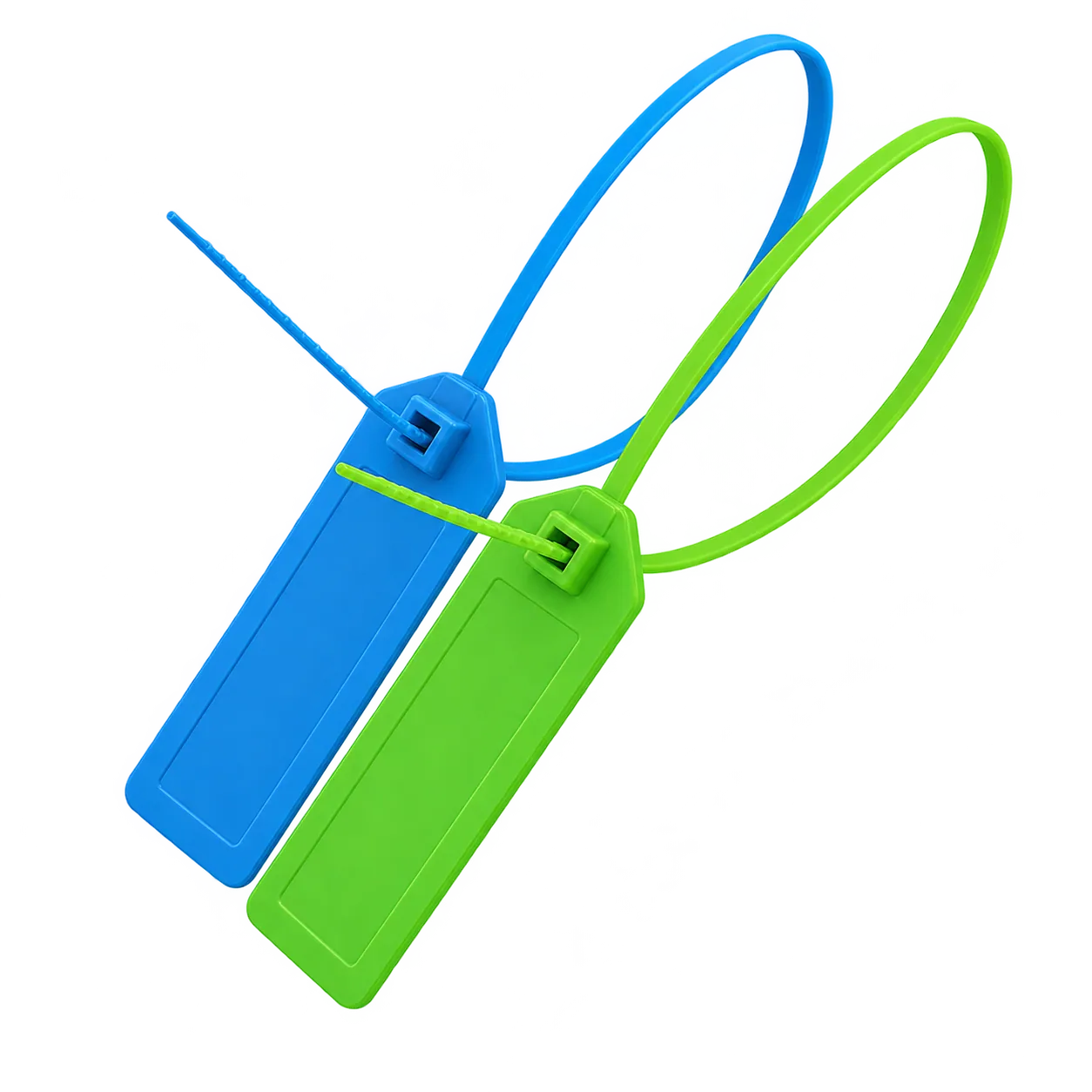
RFID plastic cable tie tag with a blue ABS head and a self-locking strap

How the head and strap are built

The Ø28 mm head holds the inlay in a shallow moulded pocket, and the 92 mm body carries a 300 mm strap to the locking pawl. The inlay lies flat and parallel to the strap, which keeps the antenna away from the asset surface it is tied against.

  • Inlay: Alien-H9 or Monza-m4qt, EPC Class 1 Gen 2 and ISO 18000-6C
  • 内存: 96 or 128-bit EPC, 512-bit user memory for an asset code
  • Locking: one-way moulded tooth, tightened by hand and cut flush

The tail is trimmed after tightening so it does not snag on neighbouring cables, crate edges or moving parts.

Dense server-room cable bundles marked with cable tie tags

读取实物资产的范围

On a non-metal asset the tag reads at ≥6 m with a 1 W handheld reader at 2 W ERP, and at ≥10 m with a 4 W fixed reader behind a 6–12 dBi antenna. Range drops when the strap is pulled hard against metal conduit or a steel frame: leave the head standing clear of the surface, or move to an on-metal label if the asset itself is steel.

Handheld reads are what matter for stock takes, so the tag is tested on both a near-range and a long-range reader before a batch ships.

Outdoor pipe run identified with cable tie tags

Where it survives

The ABS housing is rated IP68 and works from -40 to 105 °C in operation, -40 to 85 °C in storage, so it covers roof voids, plant rooms, cold stores and outdoor pipe racks. Blue is the stock colour; other housing colours are quoted per order, which is useful when zones or owners are colour coded.

Blue plastic turnover crates stacked in a warehouse

Two stock versions

The standard 300 mm blue tie covers cable looms, trays and indoor racks. The extended weather-resistant version reaches around bundled pipes and stacked crates and holds its colour outdoors. Both ship unprinted and unencoded unless you ask for a written EPC range.