
中国广东省东莞市凤岗镇玉湖路9号B栋8F
anja@flsrfidpro.com+852 46090773
在 24 小时内回复
PCB Disc Embedded RFID Tag
+

PCB Disc Embedded RFID Tag

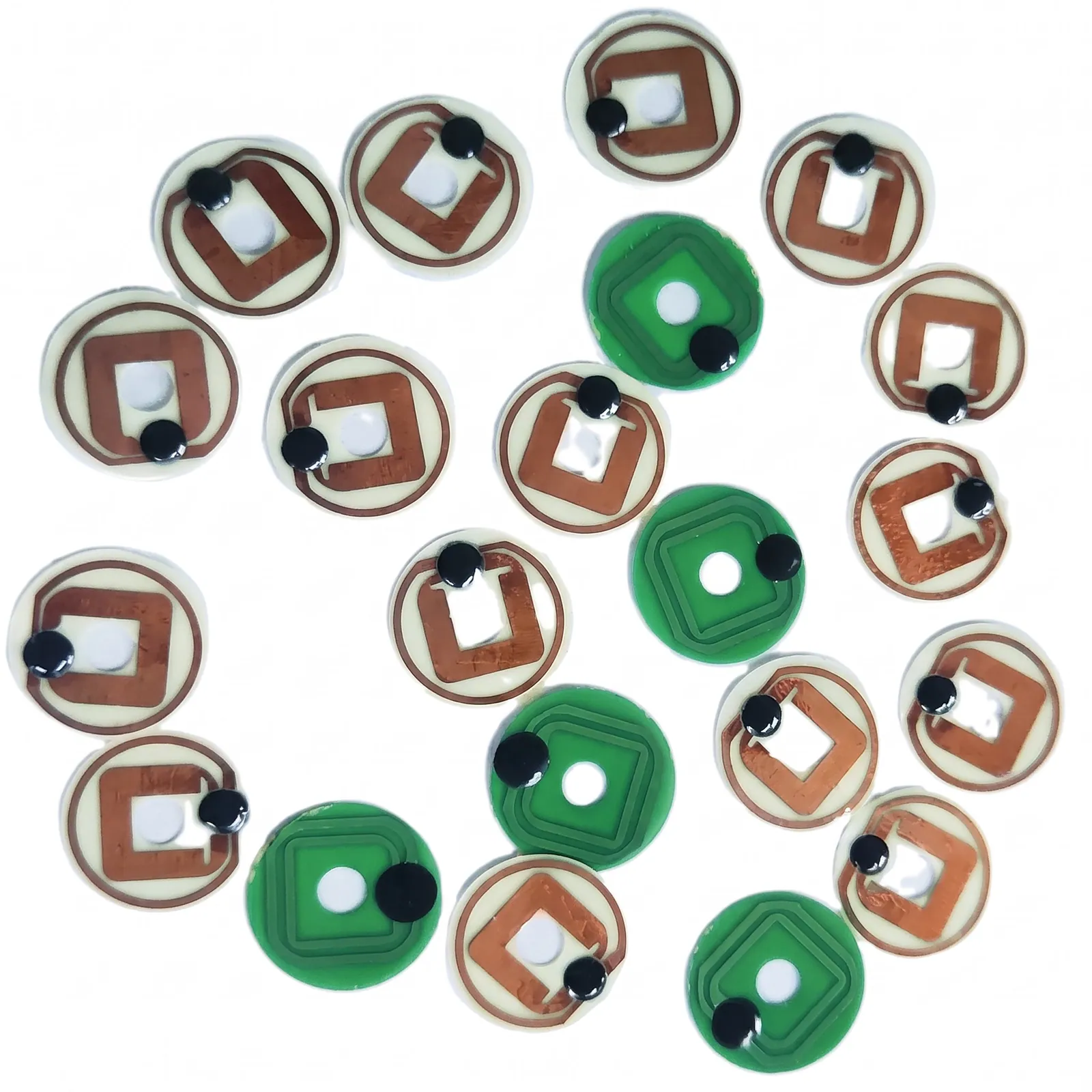
A 25 mm PCB disc with an HF inlay, 1.0 mm at its highest point, designed to be built into a product: ISO14443A at 13.56 MHz, 1024-bit EEPROM, 1-100 mm read distance on a fixed reader, more than 100,000 cycles and IP67 once potted or housed. UHF version available on request.

CategoryEmbedded RFID Tag
Views757
Total Sold318,851
Specification25 mm PCB disc, ISO14443A, 1024-bit EEPROM / With adhesive backing and custom potting support
Price联系询价
Download Specification
ItemSpecificationNote
尺寸Diameter 25 mm, 1.0 mm at the highest pointPocket needs clearance for the high point plus adhesive
材质PCB with etched copper antennaBlue solder mask; colour can be customised
协议ISO14443AReads with NFC phones and desktop terminals
Frequency13.56 MHz(高频)UHF version available on request
ChipHF/UHF 芯片选项MIFARE-compatible build supplied as standard
内存1024-bit EEPROMRead and write data per project
读取距离1-100 mm with a fixed readerDepends on antenna and reader; tested in the housing
EnduranceMore than 100,000 read/write cycles-
防护等级IP67 after potting or housing closureSeal is completed by the product, not the bare disc
工作温度-40 至 +85 ℃-
存储温度-40 至 +105 ℃-
安装Adhesive backing or mechanical fixing in a moulded pocketKeep clear of metal inserts
重量0.35 g-
应用表面Non-metal housings and panelsMetal inserts and conductive paint reduce read range

Selection by product type

Product to embedRecommended buildWhy
木制家具和板材HF disc, adhesive backing, shallow pocketReads through the wood and hides under the surface
Appliance and control panelsHF disc, potted into the moulding防潮防清洁剂
塑料外壳与成型件HF disc in a moulded pocket, overmouldedNo post-assembly label and no visible tag
Bulk reading of finished goodsUHF version on requestLonger range; needs a larger antenna footprint

Incoming and process inspection

CheckPass criteria失败时操作
Read test before pottingReads at the agreed distance on the reader modelIsolate the disc from the batch
Pocket fitDisc sits flat, no rocking in the recessRework the pocket or change the insert
填充树脂固化后天线处不得存在空隙Re-pot before assembly continues
Finished-unit readReads through the housing at the specified distanceHold the batch and review wall thickness
Data write and read-back存储数据与生产记录匹配Re-write or scrap

Application scenarios

Wooden furniture and boards

A shallow pocket machined into the back of a panel takes the disc below the surface, where it is invisible after assembly. The same tag then carries the model, batch and warranty record, and a phone can read it at the service visit without a barcode on the finished piece.

Milled wooden components on a joinery bench

电器与外壳面板

控制面板和外壳在圆盘周围进行了密封处理,确保清洁、蒸汽或液体泼溅不会接触到天线。序列号存储在标签中(而非印刷铭牌),在装配线和售后服务阶段均可读取。
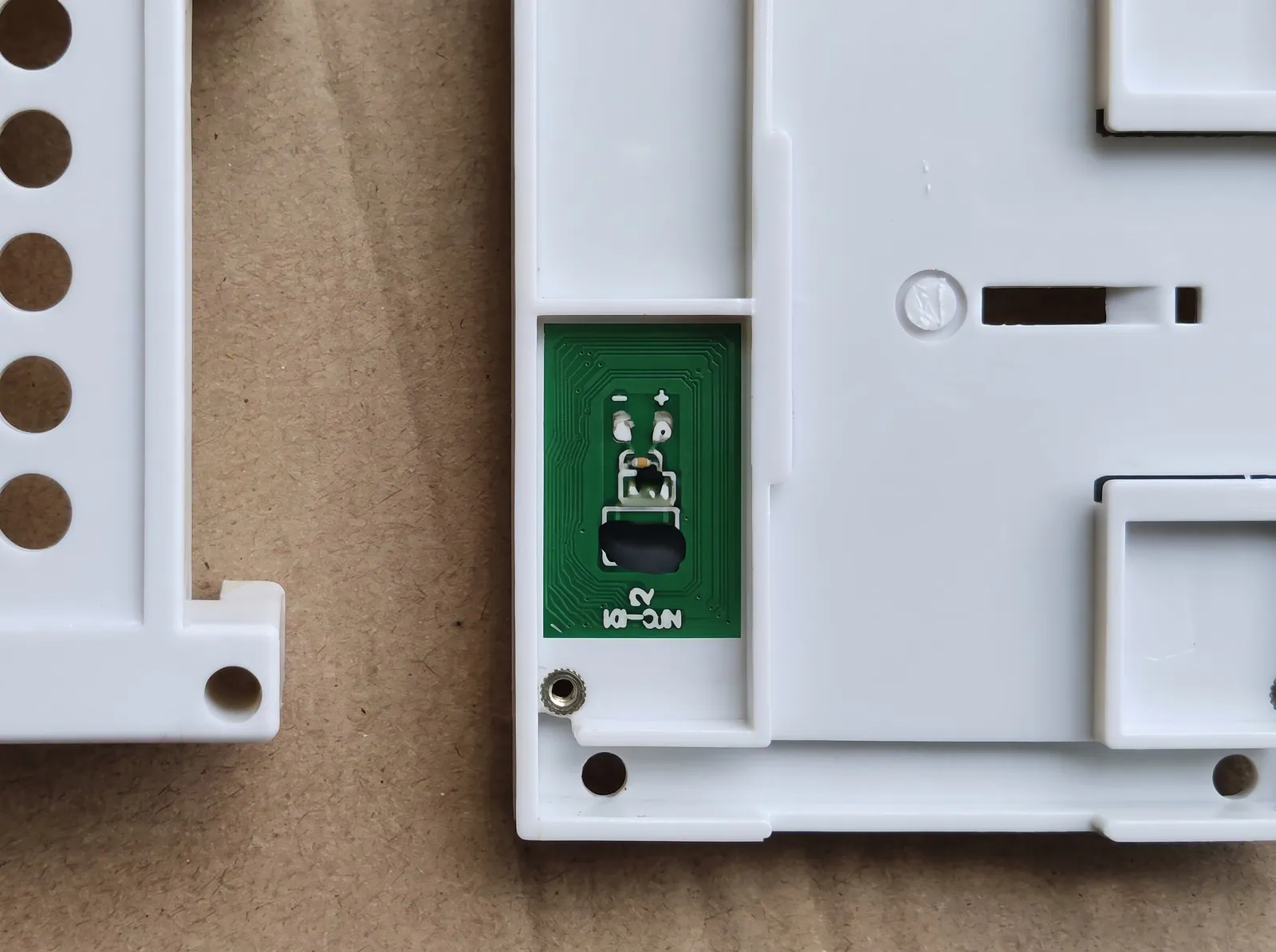
PCB tag set into the moulded channel of a white appliance housing

Plastic mouldings and tool housings

Where the part is moulded in volume, the pocket is cut into the tool and the disc is placed before the housing closes. The tag becomes part of the bill of materials rather than a labelling step, which is what keeps traceability intact through painting and assembly.
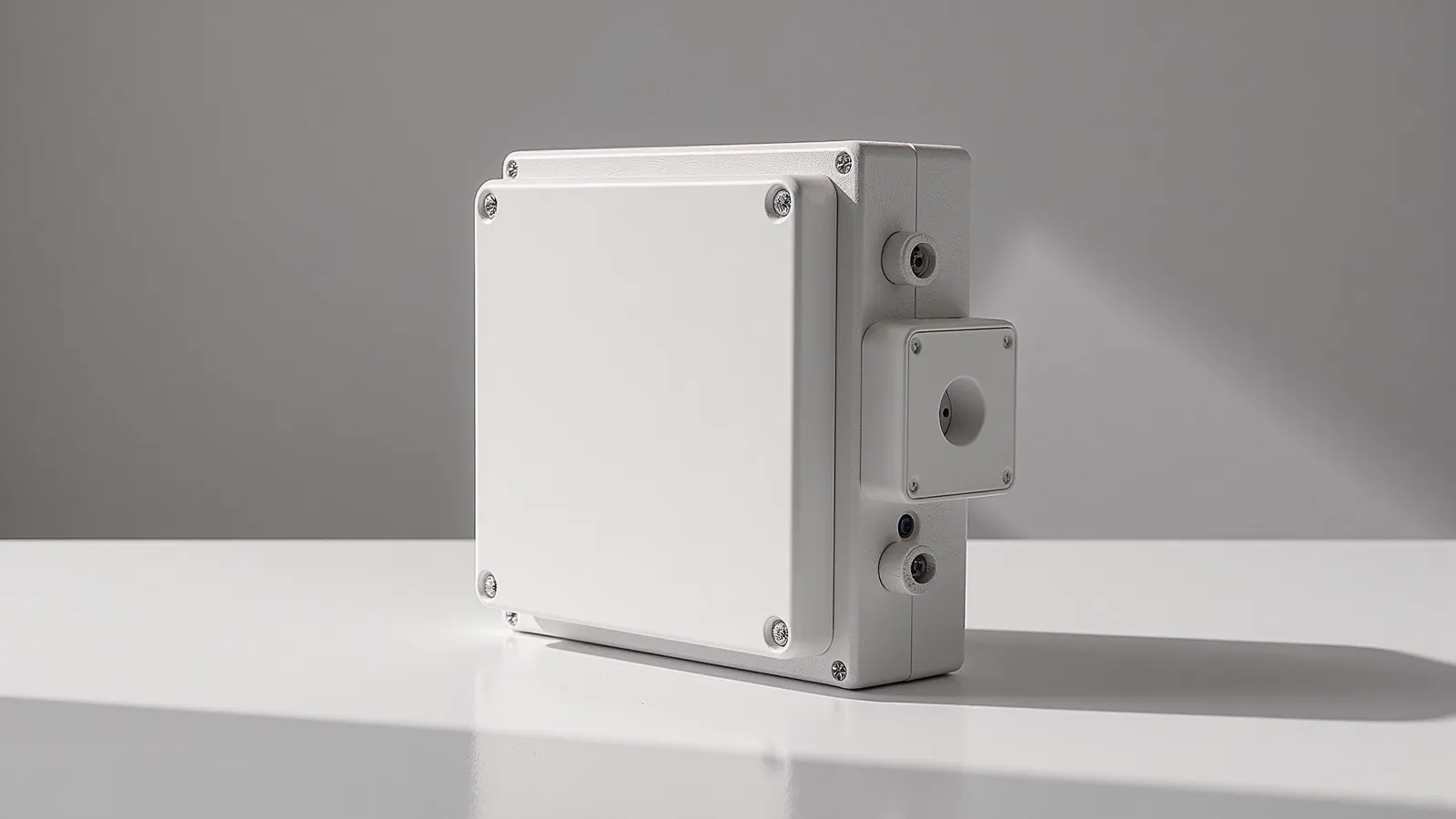
White moulded enclosure parts on an assembly bench

An RFID tag that becomes part of the product

The PCB Disc Embedded RFID Tag is a 25 mm round PCB carrying an HF inlay, 1.0 mm at its highest point, made to be built into a product rather than stuck onto it. It answers ISO14443A at 13.56 MHz with 1024-bit EEPROM, reads at 1-100 mm on a fixed reader, and is rated IP67 once the housing around it is closed.

Embedded projects usually fail at the design stage rather than at the tag: the cavity is drawn too small, the antenna ends up against a metal insert, or the potting compound is chosen after the tooling is cut. The four steps below follow the order they actually happen in a product programme.

Round PCB disc RFID tags with etched HF antennas

Step 1: reserve the cavity at design stage

A 25 mm disc needs a pocket a fraction of a millimetre wider than itself and deep enough for the 1.0 mm high point plus the adhesive. Draw it into the part, not into the tooling afterwards: a pocket added later means a second mould or a machined insert, and both cost more than the tag.

Where the pocket goes

请将标签远离金属嵌件、螺丝、屏蔽箔及任何导电涂料。虽然高频(HF)在金属附近的容错性优于超高频(UHF),但若标签直接贴在钢制嵌件上,其读取范围仍会大幅缩减。面向读卡器的一面应确保外壳壁厚最薄,通常为 1-2 毫米塑料。

Step 2: trial fit before the tooling is cut

A trial fit in a printed or machined housing answers the questions the drawing cannot: does the disc sit flat, does the wall thickness still allow a read, and does the reader the customer already owns find it at the distance they expect. We send sample discs for this stage so the mechanical fit is tested with the real laminate thickness.

Milled wooden furniture components ready for assembly

Step 3: potting and sealing

Once the disc is in place, the pocket is closed with potting compound, an overmould or a welded cover. The seal is what turns an IP67 tag into an IP67 product: resin must fill the pocket without trapping air against the antenna, and the disc must not float before the compound cures.

Two practical points decide the result. Potting compound shrinks as it cures, so the disc needs a mechanical stop or a shallow recess to sit in. And the compound must stay non-conductive; a filled resin with metal particles will detune the antenna just as a steel insert would.

Step 4: test the finished product, not the tag

The last step is a read test on the assembled unit, at the distance the reader will actually work at. A disc that passed on the bench can fail inside a housing if the pocket is too deep or the plastic is too thick, and that is far cheaper to find before packing than after installation.

PCB RFID tag embedded in the moulded channel of a white plastic housing

Where the disc is embedded

Wooden furniture and panels  |  Household appliance panels  |  Plastic mouldings and enclosures  |  Medical and laboratory equipment housings  |  Instrument cases and tool housings

Choosing HF or UHF

The standard build is HF: it reads at close range through a plastic wall, works beside most non-metal parts, and matches the NFC readers in phones and desktop terminals. A UHF version is available where the product has to be read from a distance or in bulk, at the cost of a larger antenna footprint and more sensitivity to the materials around it.

What to specify

Send the housing drawing, the reader model and the distance the product will be read at. We will confirm the pocket size, the wall thickness over the disc and whether potting is needed, and return a sample disc for the trial fit.